

Switch limit sensors enhance control reliability in industrial equipment by providing precise position detection and dependable feedback for automated systems. It plays a vital role in ensuring that machinery operates within safe and defined limits, reducing operational uncertainty and improving process consistency. By enabling accurate switching signals based on mechanical movement, it supports smoother workflow, minimizes disruptions, and strengthens overall system coordination across various industrial applications.
It is commonly used in automated environments where precise control and repeatability are essential for productivity and operational excellence. The use of these sensors contributes to stable performance and dependable machine behavior in demanding settings.
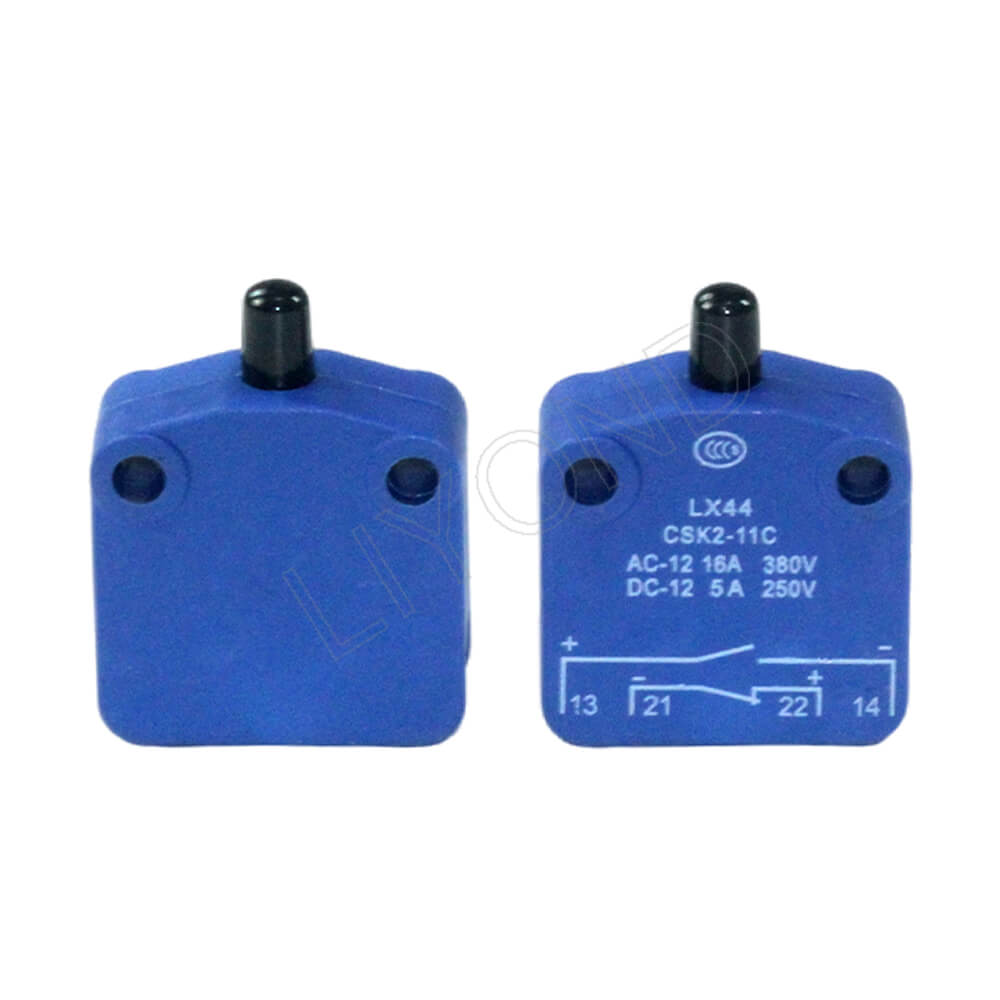
Role of Switch Limit Sensor
The role of a switch limit sensor is to monitor movement, position, or presence of mechanical components and trigger electrical signals when predefined conditions are met. It acts as a critical interface between mechanical motion and control systems, ensuring that equipment responds accurately to physical changes. This improves synchronization between components and helps maintain structured automation processes in demanding industrial environments. It also helps in reducing manual intervention and ensures real-time response, contributing to smoother workflow management and operational reliability. Maintenance teams check limit switch sensor performance regularly to ensure accurate detection and prevent system malfunctions effectively.
Key Benefits
Key benefits include improved precision, safety, and system stability in operations, making equipment performance more consistent and dependable.
- High accuracy position detection for consistent mechanical control outcomes
- Reliable signal output ensuring stable communication with automation systems
- Reduced mechanical wear by preventing over travel and misalignment conditions
- Enhanced safety protection by detecting boundary limits effectively in machines
- Improved process efficiency through timely and accurate switching responses
- Easy integration with control systems supporting flexible industrial configurations
Enhancing Control Reliability
Enhancing control reliability is a major advantage of switch limit sensors in industrial systems. They ensure accurate feedback, reduce operational errors, and support continuous monitoring of machine movement, resulting in improved performance consistency across complex automated processes.
- Maintains stable operation under varying load conditions
- Prevents system failures by accurate limit detection
- Supports continuous monitoring for better control accuracy
Applications in Industrial Equipment
Switch limit sensors are widely used across industrial equipment where precise motion control is essential for smooth operations and system coordination. These sensors are particularly valuable in environments requiring high repeatability, minimal downtime, and seamless integration with automated control architectures.
- Conveyor systems for position tracking and controlled material flow operations
- Packaging machinery ensuring accurate stopping and starting points
- Assembly lines supporting synchronized robotic movement and positioning tasks
- Heavy machinery enabling safe movement within defined operational boundaries
Operational Advantages
Operational advantages of switch limit sensors include improved reliability, reduced downtime, and enhanced control precision in automated industrial environments.
- Minimized equipment downtime through precise control and monitoring functions
- Increased durability by reducing mechanical stress on moving components
- Better energy efficiency through optimized machine operation cycles
- Simplified maintenance due to consistent and predictable performance output
Conclusion
Switch limit sensors significantly enhance industrial control systems by delivering reliable feedback, improving safety, and supporting efficient automation. Their role in maintaining accuracy and stability makes them essential components for modern industrial equipment performance. They continue to support industrial automation by enhancing accuracy, dependability, and long-term system performance.