Specialized Staffing Solutions Empower Allied Health Departments

Allied health departments are critical to modern healthcare, encompassing roles such as respiratory therapists, radiology technologists, laboratory professionals, and physical therapists. However, finding the right talent for these specialized roles can be challenging. Specialized staffing solutions have emerged as a strategic approach to address workforce gaps, enhance operational efficiency, and improve patient outcomes.

Addressing Workforce Shortages

One of the most pressing challenges in allied health departments is workforce shortages. Specialized staffing solutions help by:

  • Targeted recruitment: Focused strategies to attract professionals with specific skill sets.
  • Faster placement: Streamlined processes reduce time-to-hire for critical roles.
  • Flexible staffing options: Temporary, permanent, and contract-based staffing meet fluctuating demand.

By addressing workforce gaps proactively, allied health departments can maintain uninterrupted patient care and optimize service delivery.

Enhancing Operational Efficiency

Specialized staffing solutions provide more than just personnel they streamline processes and standardize practices. Key benefits include:

  • Centralized coordination: Single-point management ensures consistent staffing practices across multiple units.
  • Optimized scheduling: Intelligent workforce management minimizes overtime and reduces burnout.
  • Regulatory compliance: Standardized processes ensure adherence to credentialing, certifications, and other regulatory requirements.

Operational efficiency allows allied health departments to focus on patient care rather than administrative challenges.

Leveraging Data-Driven Insights

Modern allied staffing solutions incorporate data analytics to improve decision-making. Allied health departments benefit from:

  • Workforce analytics: Real-time data highlights staffing gaps and productivity trends.
  • Predictive modeling: Anticipate future staffing needs based on seasonal demand or patient volume.
  • Performance tracking: Evaluate staff competencies and identify areas for professional development.

Data-driven approaches enable allied health leaders to optimize resources while ensuring high-quality patient care.

Cost Management and Resource Optimization

Specialized staffing solutions can reduce operational costs while maintaining quality care. Benefits include:

  • Reduced reliance on agency staff: Filling roles internally or through preferred staffing networks cuts temporary staffing expenses.
  • Efficient resource allocation: Align staffing levels with patient volume to prevent overstaffing or shortages.
  • Budget forecasting: Accurate projections support financial planning and departmental sustainability.

Effective cost management ensures that allied health departments can invest in training, technology, and staff development initiatives.

Improving Staff Satisfaction and Retention

Employee experience is a critical factor in retaining skilled allied health professionals. Specialized staffing solutions support staff through:

  • Consistent onboarding: Standardized training ensures professionals are prepared and confident.
  • Career advancement opportunities: Access to multiple facilities or specialized roles encourages professional growth.
  • Balanced workloads: Smart scheduling reduces burnout and fosters job satisfaction.

A motivated and well-supported workforce directly translates into improved patient care and departmental stability.

The Future of Allied Health Staffing

As patient demands evolve and the need for specialized skills grows, allied health departments will increasingly rely on tailored staffing solutions. By combining targeted recruitment, operational efficiency, data-driven insights, cost management, and staff support, these solutions empower departments to deliver superior healthcare services.

In conclusion, specialized staffing solutions are essential for allied health departments to thrive in a competitive healthcare environment. By aligning talent with operational needs, they enhance patient outcomes, reduce costs, and foster a satisfied, capable workforce.


Expert Small Appliance Repair Services for Fast, Reliable, and Affordable Solutions

In today’s fast-paced world, small appliances play an essential role in making daily life easier and more efficient. From blenders and microwaves to washing machines and vacuum cleaners, these appliances are vital to our comfort and convenience. However, when they malfunction, it can disrupt your routine and create unnecessary stress. This is where expert small appliance repair services step in, offering fast, reliable, and affordable solutions that restore functionality and peace of mind.

Fast and Efficient Repair Services

Time is valuable, and waiting days or weeks for appliance repairs is never ideal. Professional repair services prioritize speed without compromising quality, ensuring your appliances are up and running as quickly as possible.

  • Quick response times to diagnose and fix issues
  • Same-day or next-day service availability in many cases
  • Efficient handling of emergency repair needs

By addressing problems promptly, expert technicians help minimize downtime and ensure your daily routine remains uninterrupted.

Reliable Solutions You Can Trust

Reliability is key when it comes to appliance repairs. Expert small appliance repair Edmonton employ skilled technicians with extensive training and experience to guarantee lasting solutions. These professionals are equipped with advanced diagnostic tools to accurately identify the root cause of the problem.

  • Thorough inspection and diagnosis for accurate repair
  • Use of high-quality parts and components to ensure longevity
  • Transparent repair process with clear explanations

With reliable repair services, you can rest assured that your appliance will function smoothly and efficiently for years to come.

Affordable Services Without Compromise

Repairing small appliances does not have to break the bank. Expert services offer cost-effective solutions that save money compared to replacing appliances entirely. Transparent pricing and upfront estimates ensure you know what to expect, avoiding unexpected expenses.

  • Competitive pricing tailored to various repair needs
  • Options for routine maintenance to prevent costly breakdowns
  • No hidden fees or surprise charges

Affordable yet dependable services make it easy for homeowners to maintain their appliances without stretching their budgets.

Comprehensive Range of Appliance Repairs

A key advantage of professional small appliance repair services is their versatility. Technicians are trained to handle a wide range of household and kitchen appliances, ensuring every repair need is covered.

  • Kitchen appliances: mixers, toasters, microwaves, coffee makers
  • Laundry appliances: washing machines, dryers, irons
  • Cleaning appliances: vacuums, steam cleaners, air purifiers

This comprehensive approach eliminates the need for multiple service providers, saving both time and effort.

Why Choose Expert Small Appliance Repair Services?

Choosing professional repair services ensures peace of mind, exceptional quality, and long-term savings. Their combination of speed, reliability, and affordability makes them an ideal choice for every household.

  • Restores appliances to peak performance
  • Extends the lifespan of your devices
  • Provides hassle-free, convenient solutions

Investing in expert repair services is not just about fixing an appliance it is about enhancing your everyday life with dependable support and efficiency.

Finding Apartments That Suit Different Family Sizes

Choosing an apartment that matches a family’s size can make everyday living more comfortable, organized, and enjoyable. Every household has unique needs, from quiet spaces for individuals to flexible layouts for growing families. Considering ideas associated with one chuan grove can inspire buyers to explore homes that balance functionality, privacy, and shared living areas. The right apartment should provide enough room for daily activities while creating a welcoming environment where family members can relax, connect, and build lasting memories.

1. Understanding Your Family’s Space Requirements

Before selecting an apartment, consider how many people will live there and how they will use each room. A thoughtful assessment helps identify suitable layouts and practical features.

  • Individual bedrooms: Provide comfortable sleeping arrangements for household members.
  • Shared living areas: Create inviting spaces for conversations and family activities.
  • Dining areas: Support enjoyable meals and regular family gatherings.
  • Storage solutions: Keep clothing, toys, books, and household essentials organized.
  • Flexible rooms: Allow spaces to serve different purposes as needs change.

Understanding these requirements makes it easier to compare available apartments and prioritize essential features.

2. Choosing Apartments for Smaller Families

Modern Hous

Smaller households often benefit from efficient layouts that maximize usable space without compromising comfort. Well-planned interiors can make compact apartments feel open, functional, and inviting.

Consider these useful features:

  • Open living and dining arrangements that encourage natural movement.
  • Bedrooms with sufficient space for essential furniture.
  • Built-in storage that reduces clutter.
  • Multipurpose furniture for flexible everyday use.
  • Balconies or windows that bring in natural light.
  • Convenient kitchen layouts that simplify household routines.

These features help smaller families enjoy comfortable surroundings while keeping maintenance and organization manageable.

3. Finding Suitable Homes for Growing Families

Families with children or changing household needs may require additional bedrooms, generous storage, and adaptable common areas. Selecting an apartment with room to grow can support long-term comfort.

Important considerations include:

  • Separate bedrooms that provide personal space.
  • Study corners that encourage focused learning.
  • Spacious living rooms for shared activities.
  • Child-friendly layouts with clear walking paths.
  • Additional storage for toys, clothing, and school supplies.
  • Flexible rooms that can become guest bedrooms or workspaces.

A versatile layout allows families to adjust their interiors as children grow and everyday routines evolve.

4. Selecting Apartments for Larger Households

Larger families often appreciate apartments that balance togetherness with individual privacy. Multiple bedrooms and thoughtfully arranged common spaces help everyone enjoy their own routines.

Look for features such as:

  • Multiple bathrooms to support busy mornings.
  • Spacious dining areas for shared meals.
  • Separate sleeping zones for greater privacy.
  • Larger kitchens with practical storage.
  • Comfortable seating arrangements for family gatherings.
  • Well-distributed storage throughout the home.

These features encourage harmonious living while helping household members maintain their preferred routines.

5. Evaluating Comfort and Everyday Convenience

Beyond bedroom count, families should assess natural lighting, ventilation, accessibility, and available amenities. A practical apartment supports daily activities without making the interior feel crowded.

Before deciding, consider:

  • Whether furniture fits comfortably in each room.
  • Whether storage meets current and future needs.
  • Whether shared spaces accommodate everyone.
  • Whether the layout supports privacy and easy movement.
  • Whether the overall cost suits the household budget.

Finding the right home becomes easier when practical requirements guide every comparison.

6. Making a Confident Apartment Choice

The best apartment combines sufficient space, flexible interiors, and features that suit a family’s daily habits. Comparing bedroom arrangements, storage capacity, shared areas, and future requirements helps buyers make thoughtful decisions. Reviewing a one chuan grove floor plan can also encourage careful consideration of room proportions, circulation, and functional layouts when evaluating suitable homes. Ultimately, choosing an apartment that accommodates every family member creates a comfortable foundation for shared experiences, personal growth, and enjoyable everyday living.

Solenoid Valve Technology Supporting Efficient Industrial Automation

Industrial automation depends on accurate control, consistent performance, and reliable coordination between different machine components. Solenoid valve technology contributes significantly to these requirements by managing the movement of liquids and gases through automated systems. These electrically operated valves respond to control signals, allowing equipment to regulate fluid flow with precision. Their adaptable functionality makes them valuable components in modern industrial operations, where efficiency, productivity, and dependable performance remain important priorities.

Understanding Solenoid Valve Technology

Solenoid valves use electromagnetic energy to control the opening and closing of internal passages. When an electrical signal activates the solenoid coil, a magnetic field moves an internal mechanism to regulate fluid flow. Learning https://www.vincervalve.com/what-is-a-solenoid-valve/ provides useful insight into their construction, operating principles, and contribution to automated fluid management.

Their essential functions include:

  • Starting and stopping fluid movement.
  • Directing flow through selected pathways.
  • Supporting accurate operational timing.
  • Controlling automated machine functions.
  • Managing fluid distribution across equipment.
  • Responding to electrical control signals.

Improving Industrial Automation Efficiency

Automation systems require dependable components that can respond quickly to operating instructions. Solenoid valves support this requirement through electrically controlled operation, helping machines complete repetitive processes with consistent timing.

Important efficiency benefits include:

  • Quick response: Supports timely activation during automated cycles.
  • Precise control: Helps regulate fluid movement according to system requirements.
  • Consistent performance: Maintains dependable operation during repeated activities.
  • Reduced manual intervention: Enables electrical control of fluid pathways.
  • Flexible integration: Works with different pneumatic and hydraulic arrangements.
  • Improved coordination: Supports synchronized equipment functions.

These advantages help industrial systems maintain organized workflows while improving overall operational efficiency.

Applications Across Industrial Operations

Solenoid valve technology supports numerous applications that depend on controlled fluid movement. Its versatility allows different equipment configurations to benefit from automated flow regulation.

Common applications include:

  • Manufacturing equipment: Controls air and fluid movement during production activities.
  • Packaging machinery: Supports accurate pneumatic movements and repetitive sequences.
  • Material handling: Helps operate pneumatic cylinders and mechanical devices.
  • Fluid processing: Regulates the distribution of liquids through connected circuits.
  • Automation equipment: Coordinates movements through electrical control signals.
  • Cleaning systems: Manages water and other operating fluids effectively.

Important Features for Effective Selection

Choosing suitable solenoid valves involves evaluating system specifications and application requirements. Proper selection supports reliable integration and consistent operation.

Consider these important characteristics:

  • Operating pressure: Match the valve with the required pressure range.
  • Flow capacity: Ensure adequate fluid movement for connected equipment.
  • Voltage requirements: Select compatible electrical specifications.
  • Valve configuration: Choose an appropriate port and operating arrangement.
  • Material compatibility: Consider the fluid and surrounding conditions.
  • Response characteristics: Evaluate activation speed and operating frequency.

Supporting Long-Term Operational Reliability

Regular maintenance helps preserve solenoid valve functionality and supports dependable automation performance. Inspecting electrical connections, checking seals, maintaining clean fluid supplies, and monitoring operating pressure can contribute to consistent results. Proper installation and periodic performance evaluations further improve system reliability.

Conclusion

Solenoid valve technology is an important part of efficient industrial automation because it combines electrical control with accurate fluid regulation. Its quick response, adaptable applications, and consistent operation help machinery perform coordinated tasks effectively. With appropriate selection, integration, and maintenance, solenoid valves support productive workflows, dependable equipment performance, and increasingly efficient automated operations.

Proper Voltage Ratings Strengthen Surge Protection Performance

Electrical systems depend on stable voltage conditions to support reliable equipment operation and consistent energy distribution. Proper voltage ratings play an important role in improving surge protection performance by ensuring protective devices operate according to the electrical characteristics of connected circuits. Selecting suitable ratings helps create balanced protection, supports equipment reliability, and encourages efficient electrical system management. Understanding voltage compatibility also contributes to better installation decisions and long-term operational performance.

Understanding Voltage Ratings in Surge Protection

Voltage ratings describe the electrical conditions that a surge protection device can safely accommodate during normal operation. Choosing appropriate ratings allows protective equipment to function effectively while maintaining compatibility with connected electrical components.

A well-matched voltage rating supports dependable performance and creates a strong foundation for comprehensive electrical protection. It also helps ensure that protective devices respond appropriately to temporary voltage disturbances.

Importance of Selecting Compatible Voltage Ratings

Matching voltage ratings with system requirements improves the coordination between protective devices and electrical equipment. Proper compatibility supports consistent operation and helps maintain dependable power distribution across different applications.

Several important considerations contribute to effective voltage selection:

  • System operating voltage: Understanding the nominal voltage helps identify suitable protective device ratings.
  • Maximum continuous operating voltage: This specification supports reliable operation under normal electrical conditions.
  • Voltage protection level: Appropriate values help determine the protection available for connected equipment.
  • System configuration: Single-phase and three-phase arrangements require compatible protective solutions.
  • Equipment requirements: Sensitive electrical components benefit from carefully coordinated protection ratings.

How Voltage Ratings Improve Protection Performance

Correctly selected voltage ratings help surge protective devices manage electrical disturbances while maintaining their intended operating characteristics. This compatibility supports reliable protection and encourages consistent performance throughout electrical installations.

Voltage coordination also contributes to effective equipment protection by supporting suitable operating margins. Understanding https://lsp.global/how-to-size-surge-protection-device/ provides useful guidance for evaluating device specifications and matching protection requirements with electrical system conditions.

Key Factors Supporting Accurate Voltage Selection

A complete understanding of electrical characteristics helps improve protective device selection. Evaluating installation requirements and equipment specifications encourages a more organized approach to surge protection planning.

Important factors include:

  • Electrical distribution design: Reviewing circuit characteristics supports suitable voltage compatibility.
  • Load characteristics: Understanding connected equipment requirements improves protection coordination.
  • Installation environment: Operating conditions help guide appropriate device selection.
  • Protection coordination: Compatible ratings encourage balanced performance across protection levels.
  • Technical specifications: Reviewing manufacturer documentation supports informed selection decisions.

Benefits of Properly Rated Surge Protection Devices

Appropriate voltage ratings contribute to reliable electrical infrastructure and efficient equipment operation. They also support consistent protection across residential, commercial, and industrial applications.

The main advantages include:

  • Improved compatibility with electrical distribution systems.
  • Consistent protective device operating performance.
  • Better coordination between connected electrical components.
  • Reliable support for sensitive electronic equipment.
  • Greater confidence in long-term electrical system management.

Supporting Long-Term Electrical Reliability

Regular inspection and technical evaluation help maintain the performance of surge protection installations. Reviewing voltage specifications during equipment upgrades also supports continued compatibility as electrical requirements evolve.

Electrical professionals can strengthen protection planning by considering system voltage, equipment characteristics, and applicable installation standards together. This integrated approach encourages dependable performance and efficient electrical management.

Conclusion

Proper voltage ratings are an essential part of effective surge protection planning. Careful selection improves device compatibility, supports coordinated protection, and contributes to reliable electrical operation. By understanding voltage requirements and evaluating essential technical specifications, electrical professionals can establish dependable protection arrangements that promote equipment longevity, operational consistency, and efficient energy management.

Premium Leather Satchels Offer Practicality With Sophisticated Design

Combining timeless elegance with everyday convenience, premium leather accessories bring a refined touch to daily routines. A thoughtfully designed satchel offers an attractive balance of style, storage, and functionality, making it a valuable addition to any wardrobe. Its structured appearance, quality materials, and versatile carrying options make it suitable for professionals, students, and individuals who appreciate practical fashion. With appealing details and dependable construction, this accessory effortlessly complements different occasions and personal styles.

Timeless Design That Enhances Personal Style

Beautiful craftsmanship gives leather accessories their distinctive charm. Smooth textures, elegant finishes, and carefully designed silhouettes create an appealing appearance that remains fashionable across changing trends. These qualities make a premium leather accessory an excellent choice for those who value understated sophistication.

  • Classic silhouettes complement both contemporary and traditional outfits.
  • Rich leather textures create a luxurious and polished appearance.
  • Elegant stitching adds character and visual appeal.
  • Refined hardware enhances the overall design.
  • Versatile colour choices make everyday styling effortless.

Practical Storage For Everyday Convenience

Leather Bags

A well-organized accessory makes daily activities more comfortable and efficient. Thoughtfully arranged compartments provide dedicated spaces for essential belongings, helping users maintain an orderly routine. Spacious interiors and convenient pockets make carrying personal items simple and enjoyable.

  • Spacious main compartments accommodate everyday necessities.
  • Dedicated pockets keep smaller belongings neatly organized.
  • Secure closures provide convenient access and reliable storage.
  • Interior sections help separate documents and personal accessories.
  • Functional layouts support effortless organization throughout the day.

Quality Craftsmanship For Lasting Appeal

Premium materials and careful construction contribute significantly to an accessory’s overall value. Quality leather offers an attractive finish while developing distinctive character through regular use. Strong stitching, dependable fittings, and attention to detail make these accessories appealing companions for everyday activities.

  • Carefully finished edges create a neat and sophisticated appearance.
  • Durable stitching supports dependable everyday use.
  • Quality hardware adds functionality and decorative appeal.
  • Comfortable straps provide convenient carrying options.
  • Beautiful leather develops a distinctive character over time.

Versatile Styling For Different Occasions

Fashion accessories become more valuable when they adapt easily to different situations. A thoughtfully designed satchel bag complements professional clothing, casual outfits, and smart everyday ensembles. Its balanced combination of elegance and practicality makes it suitable for various activities and personal preferences.

  • Professional meetings benefit from its polished appearance.
  • Casual outings become more stylish with a refined accessory.
  • Daily commutes feel organized with dedicated storage sections.
  • Travel routines become convenient with accessible compartments.
  • Adjustable straps offer flexibility for different carrying preferences.

A Thoughtful Investment In Everyday Elegance

Selecting a premium leather accessory means choosing a combination of beauty, convenience, and enduring style. Its practical features support daily organization, while its sophisticated appearance adds confidence to personal dressing. With appropriate care and thoughtful selection, this versatile accessory can remain a treasured part of an everyday collection for years.

Whether chosen as a personal addition or a meaningful gift, a beautifully crafted leather satchel celebrates thoughtful design and everyday functionality. Its timeless appeal makes ordinary routines feel more refined and enjoyable.

Commercial Tire Solutions Designed Around Fleet Requirements

Every commercial fleet has unique transportation demands, making the right tire solutions an important part of maintaining smooth and productive operations. Vehicles travel different distances, carry varying loads, and operate under changing road conditions. Selecting suitable tires according to these requirements helps improve performance, support vehicle safety, and maintain consistent transportation schedules. A well-planned tire strategy also allows fleet operators to manage resources efficiently while creating long-term operational value.

Understanding Individual Fleet Requirements

A successful tire selection process begins with understanding how each vehicle is used. Fleet managers can evaluate several important factors before choosing suitable options.

  • Vehicle Categories: Identify the different types of commercial vehicles within the fleet.
  • Load Capacity: Consider the weight carried during regular transportation activities.
  • Travel Frequency: Review how often vehicles operate throughout the week.
  • Distance Requirements: Understand the typical mileage covered by individual vehicles.
  • Road Conditions: Consider the surfaces and environments vehicles regularly encounter.
  • Performance Goals: Select tires that support the fleet’s operational priorities.

These details make it easier to develop a practical tire management approach that supports different vehicle requirements.

Choosing Suitable Commercial Tire Options

Different tire designs offer specific advantages depending on vehicle applications. Choosing appropriate options can contribute to improved handling, dependable traction, and consistent road performance.

Fleet operators can explore solutions based on:

  • Steer Tires: Support directional control and responsive handling.
  • Drive Tires: Provide traction for effective vehicle movement.
  • Trailer Tires: Support stable performance during transportation.
  • All-Position Tires: Offer flexibility for suitable commercial applications.
  • Specialized Tires: Address particular operating and load requirements.

Matching tire characteristics with vehicle functions creates a balanced approach to fleet performance.

Building Efficient Tire Management Strategies

Organized tire management helps businesses maintain better control over their transportation resources. Having access to suitable product information and dependable supply options makes purchasing decisions more straightforward. Fleet managers exploring useful resources, including https://pneusquebec.net/, can consider different commercial tire requirements while developing a more organized selection process.

A structured management strategy can include:

  • Maintaining accurate tire inventory records.
  • Scheduling regular tire inspections.
  • Monitoring tread depth consistently.
  • Checking inflation levels routinely.
  • Planning replacements according to usage.
  • Keeping suitable replacement options available.
  • Reviewing tire performance across vehicle categories.
  • Coordinating purchases with operational schedules.

These practices encourage better planning and support consistent vehicle availability.

Supporting Long-Term Fleet Productivity

Dependable tire solutions contribute to more predictable transportation operations. When tires are selected according to vehicle requirements, fleet managers can create better conditions for efficient movement and reliable service.

Additional benefits include:

  • Improved vehicle stability.
  • Consistent traction performance.
  • Better load support.
  • More organized replacement schedules.
  • Efficient inventory management.
  • Reduced interruptions through preventive maintenance.
  • Improved purchasing decisions.
  • Greater operational consistency.

Creating a Flexible Approach for Future Growth

As transportation requirements expand, tire strategies should remain adaptable. Fleet managers can regularly review vehicle usage, replacement patterns, and purchasing priorities to ensure their choices continue supporting business objectives.

Combining suitable tire selection, organized inventory planning, and consistent maintenance creates a strong foundation for fleet development. With a thoughtful approach to commercial tire solutions, transportation businesses can support dependable vehicle performance, improve operational coordination, and build productive fleet operations for the long term.

Effective Radon Control Solutions Support Comfortable Indoor Living

A comfortable indoor environment contributes significantly to everyday well-being, relaxation, and productivity. Maintaining good indoor air quality requires thoughtful attention to potential environmental factors, including naturally occurring soil gases. Effective radon control solutions help property owners establish healthier indoor surroundings through professional assessments, carefully designed mitigation systems, and consistent maintenance. By incorporating suitable protective measures, residential and commercial properties can benefit from improved indoor environmental management, dependable building performance, and greater confidence in long-term living conditions.

Professional Radon Assessments Encourage Better Protection

Understanding indoor radon levels is an important part of maintaining comfortable indoor spaces. Professional testing provides valuable information about existing conditions and helps determine suitable control measures. Accurate assessments also support informed decisions about effective mitigation strategies.

  • Conduct professional radon testing for reliable measurements.
  • Evaluate potential entry points around building foundations.
  • Assess basement and ground-level environmental conditions.
  • Review ventilation arrangements for suitable improvements.
  • Recommend customized solutions based on assessment results.

Advanced Mitigation Systems Improve Indoor Air Quality

Modern radon mitigation systems help manage soil gases before they accumulate inside occupied spaces. Properly designed systems use effective collection and ventilation methods to redirect radon safely outdoors. Their installation supports consistent indoor air quality and dependable environmental protection.

  • Install suitable sub-slab depressurization systems.
  • Incorporate effective soil gas collection piping.
  • Maintain appropriate ventilation pathways.
  • Seal foundation openings where necessary.
  • Use durable components for reliable operation.

Improved Ventilation Supports Comfortable Living Spaces

Environmental Solutions

Proper ventilation contributes to balanced indoor air circulation and creates pleasant surroundings throughout residential and commercial properties. When incorporated into an appropriate radon control strategy, ventilation improvements can support effective air movement and complement professionally designed mitigation systems.

  • Maintain clean and unobstructed ventilation pathways.
  • Encourage balanced indoor air circulation.
  • Inspect ventilation equipment regularly.
  • Support suitable airflow throughout occupied rooms.
  • Maintain comfortable indoor temperature conditions.

Professional Installation Encourages Lasting Performance

Quality installation plays an important role in achieving dependable radon control results. Experienced technicians understand system requirements and coordinate installation activities with existing building structures. Their professional approach helps ensure that essential components operate effectively and support long-term property protection.

  • Position mitigation equipment according to design requirements.
  • Install collection pipes with proper connections.
  • Check system components for reliable functionality.
  • Coordinate installation with building requirements.
  • Verify operational performance after installation.

Regular Maintenance Strengthens Environmental Protection

Ongoing maintenance helps radon control systems maintain their intended functionality. Periodic inspections allow property owners to understand system performance and identify opportunities for improvement. Consistent attention also supports dependable operation and lasting indoor comfort.

  • Schedule routine professional system inspections.
  • Monitor mitigation equipment functionality.
  • Examine fans and ventilation components.
  • Arrange follow-up radon testing when appropriate.
  • Maintain service records for future reference.

Customized Radon Solutions Benefit Different Properties

Every property has unique structural characteristics and environmental requirements. Customized mitigation planning helps address these differences while supporting effective building protection. Property owners can learn more about suitable approaches through professional guidance and informed maintenance practices.

  • Support residential and commercial building requirements.
  • Adapt mitigation systems to foundation designs.
  • Encourage efficient integration with existing structures.
  • Provide practical long-term maintenance recommendations.
  • Promote dependable indoor environmental management.

Creating Comfortable Indoor Environments Through Effective Radon Control

Professional radon control solutions provide valuable support for healthier indoor surroundings and lasting property protection. Combining accurate testing, advanced mitigation systems, quality installation, and regular maintenance helps create comfortable living spaces. These proactive measures encourage confidence, support building performance, and contribute to a safer indoor environment for everyday activities.

Build Versatile Software Experiences With Convenient Model Connectivity

Modern software development offers exciting opportunities to create intelligent, interactive, and adaptable digital experiences. Convenient model connectivity allows developers to integrate different artificial intelligence capabilities into their applications with greater flexibility. By connecting suitable models through accessible interfaces, development teams can introduce advanced functionality, improve application performance, and explore creative possibilities. This approach also encourages efficient workflows, making it easier to develop software that meets diverse user expectations and supports continuous digital innovation.

Simplifying Integration With Flexible Connectivity

Convenient connectivity makes it easier to incorporate intelligent capabilities into existing application structures. Developers can connect different models through organized interfaces, reducing integration effort while creating opportunities to introduce useful features and improve application functionality.

  • Simplifies communication between application components.
  • Supports convenient access to different model capabilities.
  • Reduces repetitive integration activities.
  • Encourages flexible application development.
  • Makes advanced functionality easier to introduce.

Expanding Application Development Possibilities

Access to different models gives developers more freedom to explore creative software solutions. Each model can offer useful capabilities for specific application requirements, helping development teams create versatile products with engaging and meaningful functionality.

  • Supports intelligent conversational experiences.
  • Enables advanced language processing features.
  • Encourages automated content generation.
  • Improves information organization and summarization.
  • Creates opportunities for personalized application experiences.

Enhancing User Experiences Through Intelligent Features

Software becomes more valuable when its features address user requirements effectively. Model connectivity helps developers introduce intelligent assistance, responsive interactions, and convenient information processing, creating applications that feel more useful and engaging.

  • Supports natural communication between users and applications.
  • Enables more relevant and helpful responses.
  • Improves access to useful information.
  • Encourages personalized digital interactions.
  • Creates smoother application experiences.

Encouraging Creative Model Experimentation

Flexible connectivity allows developers to explore different models and understand how their capabilities can support specific project objectives. This freedom encourages experimentation, continuous improvement, and innovative approaches to building intelligent software experiences.

  • Provides opportunities to compare model capabilities.
  • Encourages creative application development approaches.
  • Supports experimentation with language technologies.
  • Helps refine application functionality.
  • Makes feature customization more convenient.

Options such as DeepSeek uncensored can also inspire developers to explore additional possibilities when evaluating language model capabilities for suitable applications.

Improving Development Productivity and Efficiency

Organized model connectivity helps development teams manage integration activities more conveniently. By using accessible interfaces and reusable development approaches, teams can focus more attention on application improvements, creative features, and productive project execution.

  • Reduces unnecessary development complexity.
  • Supports reusable integration approaches.
  • Simplifies application maintenance activities.
  • Encourages efficient resource utilization.
  • Makes development workflows more organized.

Supporting Scalable Software Innovation

As application requirements evolve, flexible connectivity provides a valuable foundation for introducing additional capabilities. Developers can expand existing functionality, explore new intelligent services, and improve application structures while maintaining adaptable development strategies.

  • Supports modular application architecture.
  • Makes future feature expansion convenient.
  • Encourages continuous functionality improvements.
  • Accommodates changing user expectations.
  • Promotes sustainable software development.

Creating More Versatile Digital Experiences

Convenient model connectivity brings flexibility, creativity, and intelligent functionality together. By exploring different capabilities and integrating them effectively, developers can build adaptable software experiences that support productivity and innovation. This approach creates exciting opportunities for developing valuable applications that remain ready for future technological possibilities.

Growing Instagram Followers Through Relatable and Original Posts

Building a growing audience starts with sharing content that feels genuine, interesting, and meaningful. People naturally connect with posts that reflect their interests, everyday experiences, and personal perspectives. Creating relatable material helps establish familiarity, while original ideas make every update memorable. When content consistently offers enjoyment and inspiration, more viewers become interested in following the journey and participating in conversations.

1. Create Content That Reflects Everyday Experiences

Relatable posts help audiences feel connected because they recognize familiar situations and emotions. Simple ideas can create meaningful interactions when presented creatively.

  • Share everyday moments that audiences can easily understand and appreciate.
  • Create posts around common interests, hobbies, and enjoyable activities.
  • Use friendly captions that encourage readers to express their thoughts.
  • Present positive experiences that inspire people to share similar stories.
  • Explore lighthearted themes that bring smiles and encourage conversations.

2. Develop Original Ideas That Stand Out

Instagram Followers

Originality gives content a recognizable personality and encourages people to return for more updates. Instead of repeating common approaches, creators can experiment with fresh concepts and creative presentations. Exploring helpful resources and ideas can also support this process, while opportunities to find here can introduce additional inspiration for developing engaging posts.

  • Experiment with different storytelling techniques and creative formats.
  • Introduce fresh perspectives when discussing familiar subjects.
  • Combine personal creativity with popular audience interests.
  • Develop recognizable visual themes through consistent presentation.
  • Turn simple observations into entertaining and meaningful content.

3. Encourage Meaningful Audience Participation

Audience participation makes content creation more enjoyable and builds stronger connections. Interactive posts give followers opportunities to contribute ideas, express preferences, and become part of an active community.

  • Ask interesting questions that invite thoughtful responses.
  • Share polls that make participation simple and entertaining.
  • Encourage followers to suggest topics for upcoming posts.
  • Respond warmly to comments and appreciate valuable contributions.
  • Create discussion-based updates around shared interests.

4. Maintain Consistency and Creative Variety

Consistent posting helps audiences stay connected with new updates. At the same time, creative variety keeps the experience interesting and provides different ways to communicate ideas. A balanced approach makes content development more enjoyable and sustainable.

  • Follow a manageable publishing schedule that supports regular updates.
  • Alternate between informative, entertaining, and inspirational posts.
  • Maintain a recognizable style across different content formats.
  • Use attractive visuals that complement the message.
  • Review audience responses to understand which topics create interest.

Build Lasting Connections Through Authentic Content

Growing an audience becomes more rewarding when creators prioritize genuine communication and creative expression. Relatable stories help people feel included, while original posts provide fresh reasons to remain interested. Every thoughtful update creates an opportunity to strengthen relationships and encourage participation.

By combining consistency, imagination, and meaningful interactions, creators can gradually develop a welcoming community. Focusing on quality rather than simply counting followers also encourages lasting engagement. With a positive approach and a willingness to explore new ideas, every post can contribute to a recognizable identity and sustainable audience growth.

What Causes Pressure Fluctuations in a Hydraulic Valve Control System?


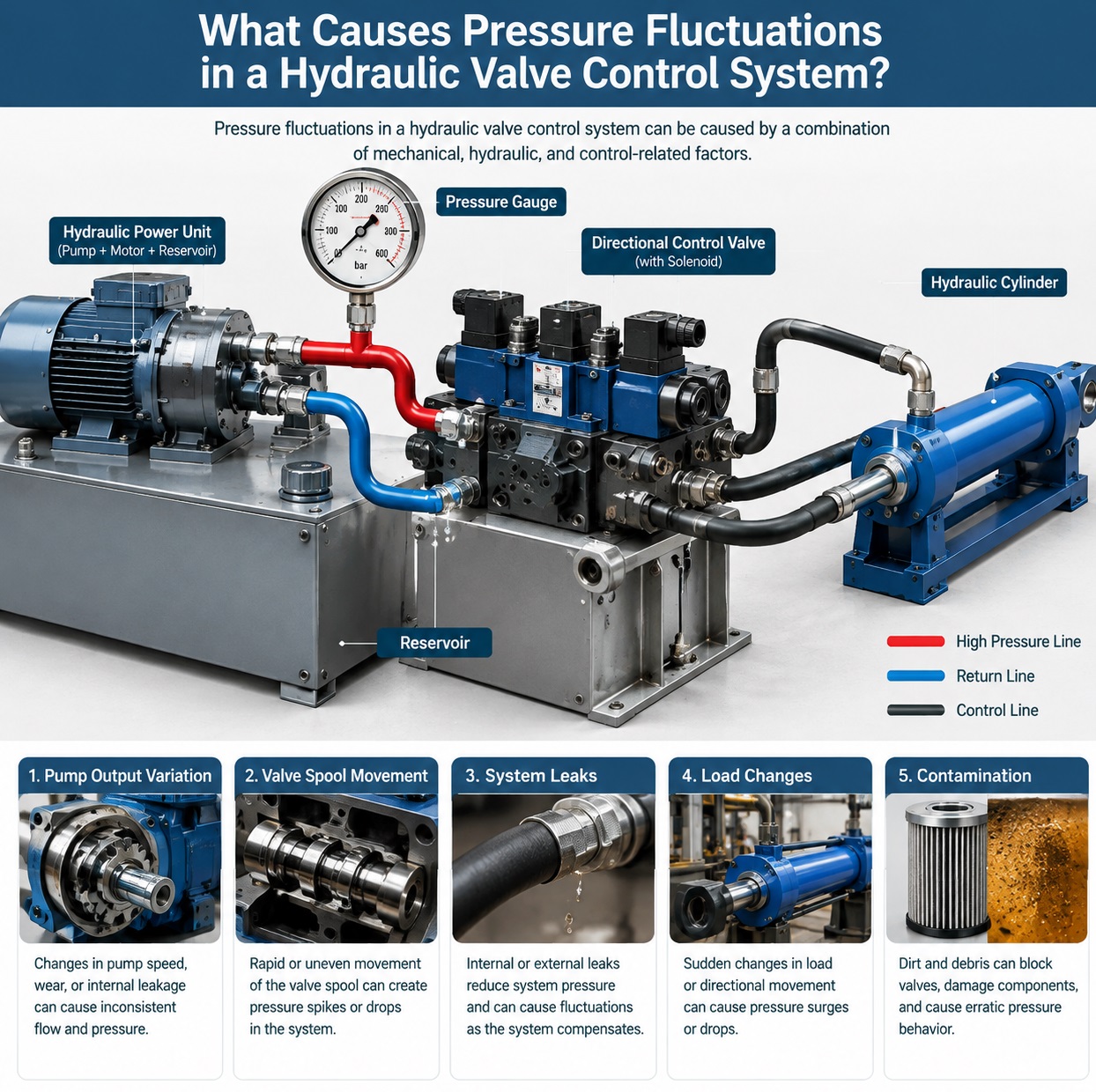
Hydraulic BackfillA pressure gauge that twitches like a nervous eye is not a personality quirk of your hydraulic system. It is a message. Sometimes it is shouting about air in the oil. Sometimes it is whispering about a worn valve spool. Either way, pressure fluctuations in a hydraulic valve control system rarely come from one lonely culprit. They come from a chain of small compromises, and the valve is often the messenger, not the crime.
I have watched a shop spend three weeks replacing pumps, hoses, and even a perfectly good proportional valve because nobody checked the return line backpressure. The pressure trace still looked like a seismograph. That is the trap. You replace parts, the fluctuation shifts a little, and you convince yourself you are making progress. You are not. You are chasing symptoms.

Start with the supply side. A pump that pulses, cavitates, or struggles to draw oil will send that irregularity straight into the valve. A clogged inlet strainer, undersized suction line, or oil that is too thick on a cold morning can create cavitation. Air entrainment does the same thing. If the reservoir return dumps oil above the fluid level, or a fitting on the suction side is loose, the pump compresses foam instead of oil. Pressure never settles because the fluid itself is not solid. Temperature swings make this worse. As viscosity changes, internal leakage changes, and the valve that was stable at 120°F becomes twitchy at 160°F.

The valve itself is the next suspect, and it is usually where the blame lands first. Spool wear opens clearances that should be tight. Contamination scratches metering edges and sticks to solenoid armatures. Stiction makes the spool jump instead of glide, so pressure spikes when it finally moves. Deadband and hysteresis in proportional or servo valves create a lag between command and response. Flow forces push against the spool, especially at high flow rates, and if the valve is undersized or the wrong spool type for the circuit, those forces win. Pilot pressure fluctuations can also ripple through a two-stage valve, making the main stage behave like it has a mind of its own.

Then there is the system around the valve. An accumulator with the wrong precharge will absorb pressure one minute and release it the next. A relief valve that chatters because it is set too close to system pressure will sing a constant, irritating song. A return line that is too small or restricted creates backpressure that fights the valve. Long hoses add compliance, so pressure drops when the load moves and spikes when it stops. Resonance is another quiet killer. Every hydraulic circuit has natural frequencies. If a pump pulsation or control loop matches one of them, pressure oscillations grow instead of fading.

Do not ignore the electronic side. A noisy command signal, a drifting pressure sensor, or a feedback device with poor resolution can make a stable hydraulic system look unstable. PID tuning that is too aggressive turns normal load changes into overshoot and ringing. A slow scan time in the controller adds phase lag, which is rocket fuel for oscillation. You can have the best valve in the world and still get a ugly pressure trace if the controller is fighting itself.

So what actually fixes it? Not a single magic part. The fix is a system that can hold pressure when the load moves, the oil heats, and the valve shifts. That means proper filtration, correct oil viscosity, a pump with low pulsation, a valve with stable metering and low hysteresis, and a control loop tuned with real data. It means checking suction lines for air leaks, setting accumulators correctly, and sizing return lines for the flow they actually see. It means measuring pressure at the valve, not just at the gauge on the power unit.

This is where good valve design earns its keep. A valve with tight tolerances, robust spool geometry, and predictable flow characteristics gives you a foundation. Add clean oil, stable pilot pressure, and a controller that is not over-caffeinated, and pressure fluctuations drop from a problem to a footnote.

If your pressure trace looks like a bad heartbeat, stop guessing. Bring the data. Look at pump pulsation, valve wear, contamination, accumulator health, return line backpressure, and control tuning in the same conversation. The cause is almost never where the gauge is. It is upstream, downstream, or in the loop between them. Fix the system, not just the symptom, and your hydraulic valve control system will hold pressure like it was built to do exactly that.

Discover Shampoo Area Essentials For A Nourishing Wash Experience

A nourishing wash experience can feel more enjoyable when the surrounding essentials are designed for comfort, cleanliness, and convenience. A thoughtfully arranged washing area creates a relaxing atmosphere while supporting smooth routines and making every cleansing session feel refreshing.

Comfort Supports A Relaxing Wash

Comfort plays an important role in creating a pleasant cleansing experience. Supportive equipment and a welcoming setup help users feel relaxed while hair is carefully washed and conditioned.

  • Soft support encourages a comfortable position.
  • Balanced cushioning creates a pleasant experience.
  • Smooth surfaces make daily care more convenient.
  • Thoughtful positioning supports easy movement.
  • Comfortable surroundings promote relaxation.

Clean Design Encourages Freshness

A clean and organized washing space contributes to a refreshing feeling. Practical surfaces and carefully selected essentials can make routine maintenance easier while keeping the area inviting and pleasant.

  • Easy-clean materials support everyday hygiene.
  • Neat arrangements create a polished appearance.
  • Convenient storage keeps essentials within reach.
  • Smooth finishes simplify regular maintenance.
  • Open layouts provide an airy and welcoming feel.

Helpful Features Improve Convenience

Shampoo Chair

Small design details can make a meaningful difference during hair care routines. From supportive positioning to accessible accessories, useful features help create a smooth and enjoyable washing experience.

  • Adjustable support can suit different comfort preferences.
  • Accessible fixtures make washing more convenient.
  • Stable construction promotes confidence during use.
  • Functional accessories help organize the area.
  • Practical layouts support efficient daily routines.

Nourishing Care Feels More Enjoyable

A pleasant washing area can complement a nourishing hair-care routine. When cleansing, conditioning, and rinsing take place in a comfortable environment, the overall experience can feel more refreshing and restorative.

  • Gentle washing encourages a soothing routine.
  • Comfortable support makes longer care sessions pleasant.
  • Organized essentials create a smooth flow.
  • Relaxing surroundings enhance personal care.
  • Well-planned features encourage consistent routines.

Choosing A Comfortable Washing Setup

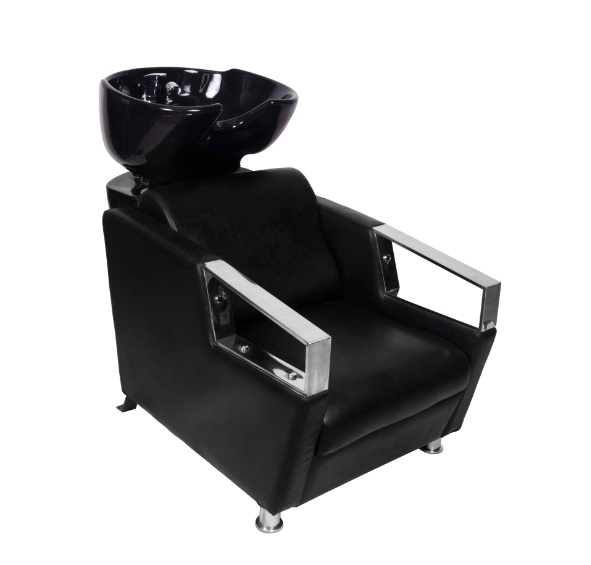
The right Shampoo Chair can become an important part of a well-designed washing area, especially when comfort and practical use are key priorities. Supportive construction, suitable dimensions, and easy-care materials can help create a balanced environment for enjoyable hair washing.

  • Supportive designs encourage relaxed positioning.
  • Durable materials provide dependable everyday use.
  • Comfortable contours enhance the washing experience.
  • Practical dimensions help maintain an organized space.
  • Simple maintenance supports lasting freshness.

A Welcoming Space Enhances Daily Care

A thoughtfully prepared washing area brings together comfort, cleanliness, convenience, and attractive design. These qualities can transform a basic cleansing routine into a more pleasant moment of personal care, helping every wash feel fresh and enjoyable.

  • Coordinated essentials create visual harmony.
  • Comfortable features encourage relaxation.
  • Clean surfaces support a refreshing atmosphere.
  • Practical arrangements improve everyday convenience.
  • Quality-focused choices create lasting satisfaction.

A nourishing wash experience becomes even more enjoyable when every surrounding detail supports comfort and ease. With thoughtful essentials, clean design, supportive features, and a welcoming atmosphere, hair care can become a refreshing routine that feels comfortable, organized, and satisfying.