
Maintaining Solenoid Valves for Consistent Flow Control Performance
Reliable flow control depends on solenoid valves responding accurately whenever a system requires them to open or close. Regular care preserves dependable action, supports efficient equipment operation, and encourages longer service life. Understanding https://www.vincervalve.com/solenoid-valve-failure-symptoms/ helps maintenance teams recognize early changes and plan timely attention before overall performance is affected.
Build a Consistent Inspection Routine
A structured inspection schedule makes valve condition easier to monitor. Simple checks can reveal developing needs while components remain accessible.
- Examine the valve body, connections, and pipework for moisture, residue, or visible wear.
- Listen for unusual buzzing, humming, or repeated clicking during operation.
- Check whether opening and closing actions remain smooth and consistent.
- Observe the coil for unusual heat, discoloration, or damaged insulation.
- Record inspection findings, service dates, and adjustments for a clear maintenance history.
Consistent observations help teams compare performance and respond appropriately.
Keep Internal Components Clean
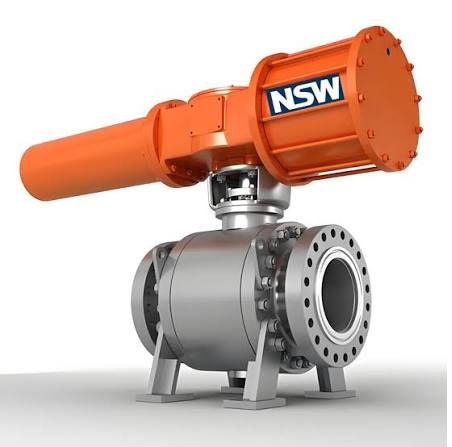
Clean operating conditions support reliable movement and stable flow. Particles can collect around small internal passages and affect valve response.
- Use suitable upstream filtration to reduce debris entering the system.
- Inspect strainers regularly and clean them according to operating conditions.
- Follow approved procedures when cleaning the valve interior.
- Check diaphragms, plungers, springs, and seals for deposits or wear.
- Replace worn sealing components with compatible parts.
Before opening a valve, isolate the power supply, shut off the fluid, and release line pressure. Safe procedures protect personnel and preserve component condition.
Protect Electrical and Operating Conditions
Electrical stability and application compatibility contribute to consistent actuation. A suitable maintenance plan should include checks beyond the valve body.
- Confirm that supply voltage matches the coil rating.
- Inspect wiring, terminals, connectors, and protective seals.
- Keep electrical connections protected from moisture and excessive vibration.
- Monitor operating pressure and temperature against specified limits.
- Confirm body and seal materials suit the working fluid.
- Ensure the valve matches the required flow, pressure, and duty cycle.
These checks help maintain dependable electromagnetic action within the intended operating range.
Plan Preventive Servicing and Performance Reviews
Preventive maintenance turns individual checks into a practical long-term routine. Service intervals should reflect operating frequency, fluid cleanliness, environmental conditions, and manufacturer guidance.
- Exercise standby valves periodically when permitted by operating procedures.
- Review response times and flow consistency during planned equipment checks.
- Tighten connections according to specified requirements.
- Replace damaged coils, seals, or serviceable components promptly.
- Keep suitable replacement parts available for planned servicing.
- Review recurring observations to identify process improvements.
Clear maintenance records also support better planning, coordination, and equipment care.
Support Long-Term Flow Reliability
Well-maintained solenoid valves contribute to accurate flow control, smoother equipment cycles, and predictable production routines. Combining inspections, clean fluid conditions, electrical checks, and timely servicing helps maintain consistent performance. Selecting valves that suit operating pressure, temperature, fluid, and control requirements further supports reliable service. For product information and application guidance, consult https://www.vincervalve.com/de/ as part of a considered approach to dependable fluid control.