
Day: September 17, 2024

Electric Wave Runners – Are They the Future of Watercraft?

Electric wave runners, also known as electric personal watercraft, represent a significant shift in the future of watercraft. As environmental concerns become increasingly pressing, the demand for cleaner, more sustainable alternatives to traditional gas-powered watercraft has never been higher. Electric wave runners address this need by offering a quieter, more eco-friendly option for water enthusiasts, while also delivering impressive performance and technological advancements. One of the most compelling advantages of electric wave runners is their environmental impact. Traditional gas-powered watercraft is known for their emissions, which contribute to water pollution and greenhouse gases. In contrast, electric wave runners produce zero emissions, making them a cleaner choice for both the environment and the waterways they traverse. This shift towards electric propulsion aligns with broader trends in the maritime industry, where there is a growing emphasis on reducing carbon footprints and promoting sustainability. Performance-wise, electric wave runners are making significant strides.
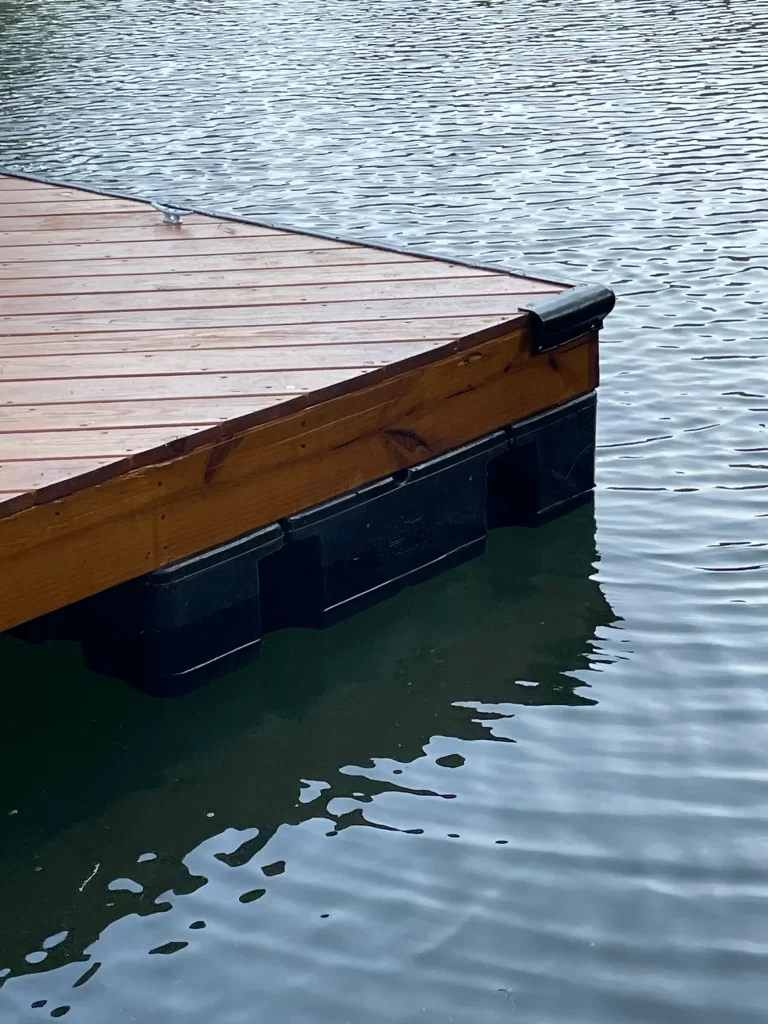
Floating Dock

Modern electric models are equipped with advanced battery technology that allows for impressive power and speed, challenging the notion that electric vehicles are inherently less capable than their gas-powered counterparts. With high torque and efficient power delivery, electric wave runners can achieve competitive speeds and offer a thrilling ride on the water. Additionally, the instant torque provided by electric motors can enhance floating docks acceleration and responsiveness, contributing to an exhilarating experience for riders. The quiet operation of electric wave runners is another notable benefit. Unlike traditional gas-powered models, which can be loud and disruptive, electric wave runners operate with minimal noise. This not only enhances the enjoyment of the ride by reducing noise pollution but also makes for a more serene experience on the water. For those who enjoy a peaceful day on the lake or are sensitive to noise disturbances, the quiet nature of electric wave runners is a significant advantage. Technological innovations in electric wave runners are also worth noting. Many models are equipped with sophisticated onboard systems that include GPS, digital displays, and smartphone integration.

These features provide riders with valuable information such as battery life, navigation assistance, and real-time performance data. The integration of technology in jet ski vs waverunner reflects a broader trend towards smart, connected watercraft that enhances user experience and safety. However, there are challenges to be addressed. The range and charging infrastructure for electric wave runners are still developing. While advancements are being made, the current battery life may limit the duration of trips compared to gas-powered models. Additionally, charging facilities on water may not be as widespread, potentially posing logistical issues for long-distance or remote outings. In conclusion, electric wave runners are poised to play a pivotal role in the future of watercraft. Their environmental benefits, impressive performance, and advanced technology highlight their potential to transform the way we experience water sports. As battery technology and charging infrastructure continue to improve, electric wave runners will likely become an increasingly viable and attractive option for water enthusiasts seeking a sustainable and innovative alternative to traditional gas-powered watercraft.

Leadership in Education – Bold Strategies for Transforming Student Learning Experiences

Leadership in education is undergoing a transformative shift, as educators and administrators increasingly recognize the need for bold strategies that enhance student learning experiences. In today’s rapidly evolving world, traditional methods are often insufficient to meet the diverse needs of learners. As a result, effective leadership requires an innovative approach that prioritizes collaboration, inclusivity, and adaptability. One of the key strategies involves fostering a culture of collaboration among educators. This can be achieved by encouraging teachers to share best practices, participate in professional development opportunities, and engage in interdisciplinary projects. When teachers collaborate, they can develop a more comprehensive understanding of student needs and create a more dynamic learning environment. For instance, co-teaching models can be employed where educators from different subject areas work together to design lessons that integrate multiple disciplines. This not only enriches the curriculum but also allows students to see connections between different fields of study, fostering a more holistic understanding of the world.

Another bold strategy involves leveraging technology to create personalized learning experiences. With the advent of digital tools and platforms, educators can tailor instruction to meet the unique needs of each student. This may involve using adaptive learning software that adjusts to a learner’s pace and proficiency or implementing project-based learning that allows students to explore topics of interest in depth. By harnessing technology, educators can provide students with greater agency over their learning, encouraging them to take ownership of their educational journeys. Additionally, technology can facilitate real-time feedback, enabling students to understand their progress and areas for improvement more effectively.  Inclusivity is also a crucial aspect of transformative educational leadership. Leaders must prioritize creating an equitable learning environment where all students feel valued and supported. This can involve implementing culturally responsive teaching practices that acknowledge and celebrate the diverse backgrounds of students. Leaders can facilitate training for educators on recognizing and addressing biases, ensuring that the curriculum reflects a variety of perspectives.

Jonathan Ullmer have fostering an inclusive atmosphere, leaders can help students develop a sense of belonging, which is essential for their emotional and academic growth. Moreover, educational leaders should embrace data-driven decision-making. Collecting and analyzing student performance data can provide valuable insights into areas where students struggle and where instructional strategies are most effective. By using data to inform practices, leaders can identify gaps in learning and allocate resources effectively to support struggling students. This approach not only enhances accountability but also promotes a culture of continuous improvement among educators. Lastly, community engagement plays a pivotal role in transforming student learning experiences. Leaders should actively involve parents, guardians, and community members in the educational process. By fostering strong partnerships between schools and communities, leaders can create support networks that enhance student learning. Community resources can be leveraged to provide students with real-world experiences, mentorship opportunities, and additional support outside the classroom.