Business

Top 5 Reasons Refamix Muller Mixer Is the Preferred Choice for Foundry Sands


MixerIf you’ve ever watched a sand mixer struggle through a batch—clumps forming, moisture uneven, motor whining like it’s about to give up—you know the difference between a machine that works and one that works right. Foundry sand isn’t forgiving. It demands consistency, durability, and a mixer that treats every grain like it matters. That’s where the Refamix Muller Mixer stops being just another piece of equipment and starts being the backbone of the operation. Here’s why it’s the one foundries keep coming back to.

Reason 1: It Actually Mixes, Not Just Tumbles

Plenty of mixers claim to blend sand, but what they really do is toss it around. The Refamix uses a true mulling action—a combination of pressure, shear, and rotation that forces each particle to be coated evenly with binder. No dead zones. No dry pockets. When you pull a sample from the Refamix, the consistency is the same from the first scoop to the last. That’s not luck. That’s engineering that understands how sand behaves under stress.

Reason 2: Built for the Long Haul, Not the Quick Fix

Foundry floors are brutal. Heat, dust, vibration, and the occasional operator who’s had a long shift. The Refamix Muller Mixer is built with heavy-duty components that don’t just survive—they thrive. The wear parts are designed to be replaced without tearing the whole machine apart. The drive system handles peak loads without tripping breakers. This isn’t a machine that needs coddling. It’s a machine that keeps running while others are waiting for a service call.

Reason 3: Moisture Control That Doesn’t Guess

Every foundry veteran knows that water content is the silent killer of a good mold. Too little and the sand crumbles. Too much and you get steam defects and a sticky mess. The Refamix integrates precise moisture monitoring and adjustment directly into the mixing cycle. It doesn’t rely on the operator’s gut feeling. It measures, adjusts, and delivers sand that’s ready to pack from the moment it hits the hopper. That repeatability saves scrap, saves time, and saves headaches.

Reason 4: Less Energy Waste, More Productive Cycles

Energy costs aren’t going down. The Refamix Muller Mixer is designed with efficiency in mind—not just in motor ratings, but in how it uses power during the actual mix cycle. The mulling action requires less total energy to achieve full coating compared to high-speed rotor mixers that just throw sand against walls. Lower amp draw per batch means more batches per shift without blowing the electrical budget. In a high-volume foundry, that difference adds up fast.

Reason 5: It Respects the Operator’s Time

Ease of use isn’t a luxury. It’s a productivity factor. The Refamix is laid out so that loading, monitoring, and discharge are straightforward. Controls are intuitive without being oversimplified. Maintenance points are accessible without needing a contortionist. When a machine respects the people running it, they take better care of it. And that creates a cycle of reliability that shows up in the quality of every casting.

The Refamix Muller Mixer isn’t flashy. It doesn’t need to be. It earns its reputation batch after batch, shift after shift. For foundries that refuse to compromise on sand quality, it’s not just a preferred choice. It’s the obvious one.

Snap Action Micro Switch Lifespan Testing: What the Numbers Really Mean

Micro switch

You see a datasheet that says “10 million cycles.” You nod, impressed. But stop right there. That number is a starting point for a conversation, not a guarantee of performance. In the world of snap action micro switch, lifespan testing is a complex dance of variables, and the numbers you see are often the result of very specific, controlled conditions that may have nothing to do with how you plan to use the switch.

Let’s cut through the marketing fluff and talk about what those lifespan figures actually represent. When Unionwell runs a standard mechanical endurance test, we’re slamming that actuator at a precise speed, with a specific force, at a controlled temperature, and with a purely resistive load. That’s the ideal world. Your world, however, is filled with inductive loads, inrush currents, dust, vibration, and operators who might not be as gentle as a testing robot.

The first number to question is the “cycle count” itself. Is it 100,000 or 10,000,000? The difference often comes down to the load. A switch rated for 10 million cycles at a low current, say 5V DC, might fail after only 50,000 cycles if you’re switching a 250V AC motor load. The electrical wear on the contacts is exponentially more destructive than the mechanical wear. The testing standard matters. Are they using a resistive load, a lamp load, or a motor load? The numbers change drastically.

Then there’s the actuation speed. A slow, deliberate press in a lab test is nothing like the high-speed cam that slaps the actuator in a vending machine or the gentle, hesitant press in a medical foot pedal. The bounce characteristics and the arc duration are completely different. A high-speed actuation can cause contact welding, while a slow one can lead to prolonged arcing and material transfer. The “10 million” number is meaningless if it was tested at 10 actuations per minute, and your application runs at 300 per minute.

Temperature is another silent killer. A switch that lives in a cozy 25-degree Celsius lab will behave very differently in a freezer or next to a hot motor. The internal lubrication changes viscosity, the plastic housing expands and contracts, and the contact resistance can drift. A lifespan test conducted at a stable 20 degrees Celsius has zero correlation to performance in a -40 to +85 degree Celsius environment. Unionwell tests across these ranges, but not every manufacturer does, and they certainly don’t advertise the failures.

So, what do the numbers really mean? They are a baseline for comparison, not a prophecy. They tell you that under a specific, repeatable set of conditions, the switch can survive that many operations. It’s your job to understand the gap between that test condition and your real-world application. Look for the fine print. Ask for the test protocol. Was it a mechanical-only test? Was the load purely resistive? What was the ambient humidity?

The smart engineer doesn’t just look at the big number. They look at the derating curve. They look at the test data for the specific load type they are using. They ask for life test data at the extremes of their operating temperature range. A 5-million-cycle switch that degrades gracefully is often better than a 10-million-cycle switch that fails catastrophically at cycle 500,001.

When you see a lifespan number, don’t treat it as a hard limit. Treat it as a promise that the switch has a solid foundation. The real story is in the testing methodology, the environmental conditions, and the load profile. That is where the truth lives. And that is where you separate a reliable product from a datasheet fantasy.

What Modern Commercial Refrigeration Should Deliver for Brisbane Businesses

Brisbane doesn’t “get warm.” It leans hot, humid, and relentless. If your refrigeration or HVAC setup is even slightly under-specced, you don’t just lose comfort, you lose product, time, and money.

And yes, I’m biased: I’d rather see a system slightly smarter than slightly bigger. Oversizing is a lazy fix. It costs more up front, cycles poorly, and usually creates the exact humidity problems people were trying to avoid.

One line that should stick: good cooling in Brisbane is control, not brute force.


 Brisbane heat + humidity: the real design brief

Here’s the thing: Brisbane’s climate punishes shortcuts. Longer compressor run times, higher fan speeds, more door openings, more moisture dragged into conditioned spaces, those add up.

If you’re running a café, a prep kitchen, retail cold display, or any temperature-sensitive storage, working with specialists like All So Cool refrigeration can help you think beyond “What unit do we buy?” You start with:

– peak load windows (late lunch rush is a different beast to 7am prep)

– occupancy and heat sources (people, ovens, fryers, sunlight through glass)

– product sensitivity (chocolate vs dairy vs fresh produce, different tolerances)

– infiltration (door cycles and air leakage are silent killers)

Systems that hold steady beat systems that “get cold fast” every day of the week.

And monitoring isn’t optional anymore. If you can’t detect drift early, you’re basically waiting for spoilage to teach you what’s wrong.


 A practical approach to energy-efficient cooling (not just marketing talk)

Some providers sell “energy efficient” like it’s a sticker on a brochure. In practice, it’s a chain of decisions: controls, sizing, zoning, sequencing, and maintenance discipline.

All So Cool’s approach (at least the way it’s described, and how the best operators actually do it) is built around tuning the system to the site rather than forcing the site to adapt to the system. That means:

Real-time monitoring and fault detection so you’re not discovering a problem on Monday because the weekend stock went soft. Proactive maintenance that targets wear points before they turn into failures. Control strategies that reduce waste when demand drops.

Now, this won’t apply to everyone, but if your operation has highly variable loads, think cafés, takeaways, convenience retail, variable speed drives and smarter staging can make a noticeable difference in both stability and power bills.

One specific data point, because vague claims are cheap: air conditioning typically accounts for around 40% of energy use in Australian office buildings, according to the Australian Government’s YourHome guidance on heating and cooling. That’s offices, not kitchens, but it frames the stakes: control your cooling load and you often control your biggest energy lever.

Source: Australian Government, YourHome, Heating and cooling (https://www.yourhome.gov.au)


 Choosing a system for a café or takeaway (the part people get wrong)

Most café fit-outs make the same mistake: they buy for average days.

You buy for the slammed days. The days when the door’s opening nonstop, staff are moving fast, the kitchen line is throwing heat, and the condenser is sitting in warm air because nobody planned ventilation properly.

So what actually matters?


 System types, in plain terms

Under-counter units: great for tight kitchens and short service runs (until you grow and start stacking stock in places it shouldn’t be).

Reach-ins: the reliable middle ground; good access, decent capacity, sensible footprint.

Walk-ins / cold rooms: serious storage and better workflow if you’ve got the space and the envelope is built properly.

Modular cold rooms: the “we’re growing” option, scales well, and you don’t have to rip everything out later.

I’ve seen inverter-driven compressors pay off in these environments because they smooth the temperature swings caused by constant door openings. Less drama, less cycling, less wear.

But don’t get hypnotised by efficiency ratings alone. If the layout forces staff to hold doors open longer, you’ll burn the savings in a week.


 Space planning isn’t sexy. It’s also where money leaks out.

Look, you can have the best refrigeration unit on the market and still lose the battle because the footprint was planned by someone thinking only about aesthetics.

A few non-negotiables that separate solid installs from expensive headaches:

– clearance for airflow around condensers (hot air needs somewhere to go)

– door swing and access that matches real workflow, not a floorplan fantasy

– shelving that supports fast rotation and doesn’t block air distribution

– placement that reduces heat gain (yes, sun exposure and proximity to cooking equipment matter)

Short version: if you’re stepping around equipment, you’re paying for it twice, once in labour inefficiency, then again in energy waste.


 Custom installs: where “tailored” is either real or meaningless

If it doesn’t integrate cleanly, it’s not a good design. Full stop.

Custom commercial installs should feel like the system belongs there: aligned with electrical architecture, controls that operators can read at a glance, temperature alarms that aren’t constantly false-triggering, and a layout that anticipates servicing.

The better setups I’ve worked around also include logical zoning. Not everything needs to be at the same temperature, and pretending it does is how you end up with overcooling in one corner and warm drift in another.

(And yes, compliance is part of design too. Trying to “fix it later” is how projects spiral.)


 Maintenance plans: boring, essential, and often the cheapest win

Maintenance isn’t a nice-to-have. It’s how you avoid those slow failures: worn door seals, dirty coils, refrigerant leaks, drifting thermostats, bearings that are getting louder but “still running.”

A good plan is less about calendar dates and more about condition and usage: run hours, seasonal peaks, known failure patterns, OEM recommendations.

Paper trails help too. When you’re budgeting replacements or defending temperature compliance, documentation saves arguments.


 24/7 repairs across Brisbane (because breakdowns don’t book appointments)

If you run perishables, downtime is a threat, not an inconvenience.

What matters in emergency response isn’t a dramatic promise; it’s a process: triage that identifies likely faults quickly, dispatch that sends the right tech with the right parts, and containment actions that protect stock while the fix is underway.

Transparent ETAs and repair scopes are underrated. I’d rather hear “here’s what we can stabilise now, here’s what we’ll replace next” than get vague reassurance while temperatures climb.


 How cooling solutions should be compared (my preferred way)

Everyone compares sticker price. That’s the trap.

A more honest evaluation weighs:

– total energy use under real operating conditions

– serviceability (how long to access key components, parts availability)

– failure risk and consequences (a $200 part can cause a $20k loss)

– control capability (zoning, alarms, remote monitoring)

– environmental impact and refrigerant management

– lifecycle cost, not just install cost

If you can reduce unplanned downtime, the ROI usually shows up faster than people expect, especially in food and retail.


 Growing in Brisbane? Design for expansion now, not after the second panic

Scaling cooling isn’t just adding another unit. If you’re growing, you want modular capacity, staged cooling, smart controls, and monitoring that doesn’t turn into a spaghetti mess of dashboards.

Remote diagnostics and predictive maintenance aren’t “fancy.” They’re how you keep performance stable while throughput changes. I’ve watched businesses outgrow systems that were “fine” at opening, then spend big correcting decisions that could’ve been avoided with a more scalable layout.

Plan the bones properly. Add capacity later without ripping the whole place apart.

If your goal is stable product temperatures, lower energy bills, fewer emergencies, and systems that don’t buckle when Brisbane hits its sticky worst, the theme is consistent: measure the load, design for control, integrate cleanly, then maintain like you mean it.

Lasting Beauty Improvements Begin with Reliable Beauty Machine Treatments

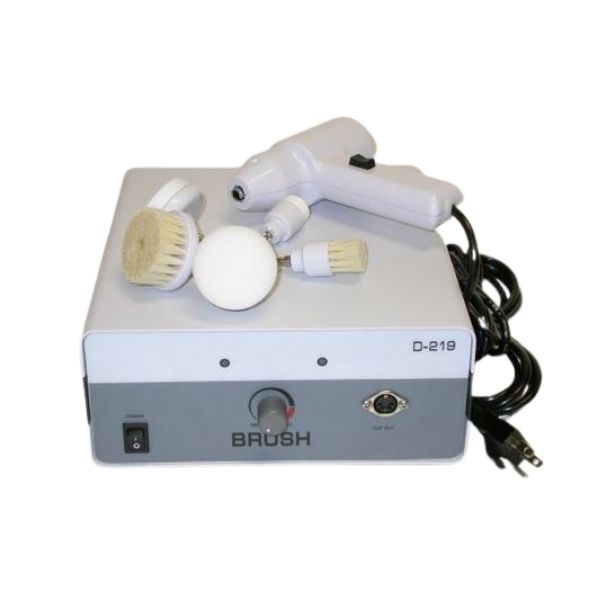
Achieving radiant and healthy-looking skin often requires consistent care, thoughtful treatment choices, and advanced support. Beauty machine treatments have become an important part of modern skincare routines because they help enhance comfort, precision, and visible results. When reliable equipment is used regularly, individuals can enjoy long-term improvements that contribute to a refreshed and vibrant appearance.

Why Reliable Beauty Machine Treatments Matter

Dependable beauty technology supports treatment consistency and helps create positive skincare experiences. Carefully designed systems can assist professionals in delivering targeted care that aligns with individual beauty goals.

Key advantages include:

  • Improved treatment precision
  • Enhanced comfort during sessions
  • Consistent skincare support
  • Better absorption of skincare products
  • Gentle care for different skin types
  • Support for long-term beauty maintenance
  • Efficient treatment processes
  • Increased confidence in skincare routines

These benefits make advanced beauty equipment a valuable addition to professional beauty services.

Supporting Long-Term Skin Enhancement

Beauty Machine

Regular treatments can contribute to gradual and noticeable improvements. Rather than focusing only on immediate results, many modern approaches emphasize lasting beauty benefits.

Some positive outcomes may include:

  • Smoother-looking skin texture
  • Improved skin brightness
  • Refined appearance of pores
  • Enhanced skin firmness
  • Better hydration support
  • More even-looking skin tone
  • A refreshed and revitalized appearance

With ongoing care, these improvements can help maintain a youthful and healthy-looking complexion.

Features That Promote Better Treatment Experiences

Modern beauty equipment is designed with both effectiveness and user comfort in mind. Advanced functions allow treatments to be tailored according to specific skincare objectives.

Important features often include:

  • Adjustable treatment settings
  • Gentle application methods
  • Precision-focused technology
  • Consistent performance capabilities
  • User-friendly operation
  • Multi-functional treatment options
  • Reliable skincare support systems

Many professionals appreciate solutions that combine innovation with dependable performance. While exploring advanced treatment options, many industry professionals review resources such as https://www.konmison.com/it/ to learn more about evolving beauty machine developments and skincare technologies.

The Importance of Consistent Care

Consistency remains one of the most significant factors in achieving lasting beauty improvements. Reliable treatments performed as part of a structured skincare plan can help maximize positive outcomes over time.

Helpful habits include:

  • Following recommended treatment schedules
  • Maintaining daily skincare routines
  • Supporting skin with proper hydration
  • Protecting skin from environmental stressors
  • Choosing treatments that align with personal goals
  • Monitoring progress regularly

Combining these practices with advanced beauty technology can support ongoing skin enhancement.

Looking Ahead to Lasting Results

Reliable beauty machine treatments continue to transform modern skincare by offering precision, comfort, and dependable support. Their ability to promote gradual improvements makes them an appealing choice for individuals seeking long-term beauty benefits. By focusing on consistency, quality care, and advanced treatment methods, it becomes possible to enjoy smoother, brighter, and healthier-looking skin. With the right approach, lasting beauty improvements can become an achievable and rewarding part of any skincare journey.

Marketing Excellence Delivered By Rednote Marketing Innovation Always

Strong marketing performance is built through creativity, consistency, and the ability to adapt to changing audience expectations. Rednote marketing innovation continues to create exciting opportunities for businesses seeking greater visibility, stronger engagement, and long-term success. By combining fresh ideas with strategic planning, organizations can achieve remarkable growth while strengthening meaningful connections with their audiences.

Building Strong Foundations For Success

Effective marketing begins with a clear vision and a commitment to excellence. Innovative approaches help organizations communicate value in ways that attract attention and encourage lasting relationships.

Key Advantages Of Innovative Marketing

  • Enhances audience engagement
  • Strengthens brand credibility
  • Supports long-term growth objectives
  • Improves communication effectiveness
  • Creates memorable customer experiences
  • Encourages positive interactions
  • Increases visibility across multiple channels
  • Builds trust through consistent messaging

These advantages contribute to stronger performance and create opportunities for sustainable development.

Creative Strategies That Drive Results

Innovation plays a significant role in helping businesses stand out. Thoughtful campaigns can capture interest while delivering messages that resonate with target audiences.

Important Elements Of Creative Marketing

  • Compelling storytelling techniques
  • Audience-focused content development
  • Consistent brand communication
  • Strategic campaign planning
  • Meaningful engagement initiatives
  • Value-driven messaging
  • Clear performance objectives
  • Continuous improvement practices

Organizations that focus on these elements often experience stronger audience connections and improved outcomes.

Enhancing Customer Engagement

Customer engagement remains one of the most important goals of any marketing effort. Innovative methods create opportunities for deeper interactions that inspire loyalty and positive experiences.

Ways To Improve Engagement

  • Deliver relevant and useful content
  • Encourage community participation
  • Share educational information
  • Promote authentic communication
  • Recognize customer contributions
  • Maintain consistent interaction
  • Create memorable experiences
  • Focus on audience needs

Through these efforts, businesses can build stronger relationships and encourage continued support.

Driving Growth Through Innovation

Growth becomes more achievable when marketing strategies align with evolving audience expectations. Forward-thinking initiatives provide the flexibility needed to adapt and succeed.

Growth-Focused Benefits

  • Increased audience reach
  • Higher engagement opportunities
  • Improved brand recognition
  • Greater customer retention
  • Enhanced market presence
  • Stronger competitive positioning
  • Better communication efficiency
  • Sustainable business development

During strategic planning discussions, many teams discover that rednote management contributes valuable insights that help improve coordination, creativity, and campaign effectiveness.

Creating A Future Of Marketing Excellence

Marketing excellence is achieved through dedication, innovation, and continuous refinement. Businesses that embrace creative strategies can strengthen audience relationships while unlocking new opportunities for success.

Keys To Continued Achievement

  • Maintain a customer-focused mindset
  • Encourage innovative thinking
  • Evaluate performance regularly
  • Adapt to emerging trends
  • Strengthen communication efforts
  • Prioritize quality experiences
  • Support ongoing improvement
  • Celebrate positive results

With a commitment to innovation and excellence, organizations can continue achieving outstanding marketing performance while creating lasting value and meaningful audience connections.

What to Know About Port Coquitlam Before You Move or Buy Property There

Port Coquitlam (PoCo, if you hang around long enough) is one of those places that quietly works. It doesn’t shout. It doesn’t posture. It just… functions, especially for people who want parks, decent commutes, and neighborhoods that still feel like neighborhoods.

One-line truth: You can buy badly in PoCo if you don’t pay attention.

 Hot take: PoCo is underrated, and that’s exactly why it’s getting pricier

If you’re expecting glossy “next Yaletown” energy, you’ll be confused. If you want a city where families actually use the playgrounds, where trails are part of the weekly routine, and where you can still find housing options that aren’t purely luxury-coded, PoCo starts making a lot of sense.

I’m opinionated about this: the real draw isn’t a single amenity, it’s the frictionless lifestyle. Errands don’t feel like a project. Weekend plans don’t require a 45-minute drive. And if you like greenery, you’ll get spoiled fast.

That said, PoCo isn’t a magic trick. Some pockets are louder, some commutes are clunkier than the brochure implies, and floodplain/drainage realities are very real near riverside areas. If you’re researching what to know about Port Coquitlam, do your homework.

 The “daily life” factor (aka why people stay)

Port Coquitlam

Here’s the thing: a lot of Metro Vancouver cities are livable on paper. PoCo tends to feel livable in practice.

– Trails aren’t decorative; people actually use them.

– The community vibe is genuine, not manufactured.

– Sports fields, rec centres, and parks are everywhere in a way that subtly changes your routine.

You’ll notice a lot of family gravity here, but it’s not only families. Retirees like the walkability and services. Professionals like that it’s close enough to job nodes without paying peak-Vancouver pricing (though that gap keeps tightening).

And yes, the food scene is better than outsiders expect. Not “destination dining,” but reliably good, diverse, and improving.

 Housing in Port Coquitlam: what you’ll pay, what holds value, what gets weird

PoCo housing isn’t one market. It’s several micro-markets stitched together by transit corridors, school catchments, and how close you are to parks/trails/commercial nodes.

 Detached, townhome, condo: the practical breakdown

Detached homes tend to command premiums in established family neighborhoods, especially where streets are quiet and schools are nearby. Townhomes are the middle ground, often the most competitive segment because they hit a sweet spot of space and relative affordability. Condos range wildly depending on age, strata health, and whether you’re buying into a building that’s about to introduce you to “special levy season.”

Now, this won’t apply to everyone, but… if you’re stretching to buy, don’t ignore strata documents. I’ve seen buyers fall in love with a unit and then get blindsided by deferred maintenance that was visible for years in the meeting minutes.

 Where value tends to stick (and why)

Areas near major green space and walkable services usually defend value better. Places adjacent to the Traboulay PoCo Trail, riverside improvements, and established amenities often feel “complete,” which matters when markets wobble.

A technical lens that actually helps: liquidity. Homes that appeal to the broadest buyer pool (functional layouts, reasonable strata fees, sensible parking/storage, transit access) resell easier. PoCo rewards boring decisions.

 A quick stat (because feelings aren’t data)

TransLink’s 2023 ridership report shows regional transit ridership continuing to recover toward pre-pandemic levels, with overall system boardings increasing year-over-year. Source: TransLink, 2023 Annual Report (ridership/financial reporting section).

Why it matters in PoCo: improved transit reliability and usage tends to reinforce demand near frequent bus routes, West Coast Express access points, and SkyTrain connections via nearby stations.

(You don’t need to be a transit nerd to benefit from transit economics. You just need to buy where other people want to live later.)

 Schools + safety: what “good” looks like on the ground

Some articles treat schools and safety like a checkbox. In reality, it’s more like an ecosystem: school stability affects neighborhood turnover, which affects community cohesion, which affects how safe a street feels at 9:30 p.m. on a rainy Tuesday.

 Schools

PoCo families generally rely on public schools and district programming, plus additional supports and specialty options depending on catchment. The best move isn’t trusting one ranking site, it’s comparing:

– catchment boundaries (they shift),

– program availability (French immersion, special supports, etc.),

– commute logistics (because a “great school” that adds 40 minutes twice a day gets old fast).

 Safety

Crime isn’t a simple “good/bad” label. Look at patterns, not anecdotes. One block can be sleepy, the next can have persistent nuisance issues (often around commercial nodes or high-throughput corridors).

If you want real numbers, pull recent local crime maps and compare year-over-year categories, not just totals. Violent crime and property crime behave differently, and buyers mix them up constantly.

 Getting around: the commute reality check

You’ve got options, which is the point. But the best option depends on where in PoCo you land.

Bus connections stitch neighborhoods to key hubs.

SkyTrain access is nearby via connections to stations in the Tri-Cities area.

West Coast Express can be a commuter’s cheat code if your work schedule fits the timetable.

Cycling is more viable than people assume thanks to multi-use trails and improving corridors.

Look, if you’re commuting downtown daily and you buy assuming traffic “won’t be that bad,” you’re gambling with your own patience. Test-drive the commute at the actual time you’ll travel. Do it twice. Weather counts.

One-line paragraph, because it’s true:

Transit convenience is highly address-specific.

 Red flags for buyers (the stuff that ruins “good deals”)

Some warnings are universal, but a few pop up a lot in PoCo and similar Lower Mainland markets.

 The short, brutal list

Vague disclosures or disclosure avoidance (huge no)

Permit gaps on renovations (especially suites, structural changes, big plumbing/electrical work)

Drainage issues: grading, water ingress history, sump pump reliance, foundation staining

Strata fee weirdness: suspiciously low fees can mean deferred maintenance

Fast closing pressure paired with limited showings (classic “don’t look too hard” energy)

Here’s the thing: a price drop isn’t automatically a bargain. Sometimes it’s a seller discovering the market. Sometimes it’s a seller trying to outrun a problem.

 Verification moves that actually work

Go beyond vibes and do the unsexy checks:

– Pull comparable sales, not just current listings.

– Confirm title and look for easements/right-of-ways.

– Review property disclosure statement line by line and ask follow-ups in writing.

– For strata: read minutes, depreciation report (if available), and budget like you mean it.

– Check floodplain maps and municipal infrastructure plans if you’re near waterways.

In my experience, the best negotiators aren’t aggressive, they’re specific. “Credit for X repair based on Y quote, tied to Z inspection finding” beats chest-thumping every time.

 A slightly informal note on picking a neighborhood

People get weirdly romantic about neighborhoods. Don’t. Get practical.

Pick the area that matches your actual week:

– Where do you grocery shop?

– Are you walking a dog daily?

– Do you need quiet at night?

– How many vehicles are you realistically parking?

– Are you betting on a future life stage, or buying for the one you’re living right now?

PoCo will reward realism.

And if you’re buying, find an agent who can explain why one side of a corridor sells differently than the other (because it often does), and who’ll tell you when a “great deal” is actually a paperwork grenade.

Marketing Agencies Support Companies With Effective Social Media Growth Strategies

Marketing agencies help companies establish a strong and consistent presence across social media platforms by developing structured strategies aligned with business goals and audience expectations. They focus on identifying target communities, analyzing platform behavior, and building content frameworks that support steady growth over time. Such foundational work ensures that brands maintain consistency in messaging while adapting to shifting consumer expectations across different platforms.

Data-Driven Audience Engagement

Through advanced analytics and audience insights, marketing agencies identify user behavior patterns and create highly relevant content that encourages engagement and long-term interaction. This data-driven approach ensures continuous optimization and better alignment with evolving audience preferences. Agencies also refine targeting models using real-time feedback loops that improve campaign accuracy and reduce unnecessary resource allocation.

Core Strategies for Sustainable Social Media Growth

Marketing Agencies

  • Consistent content publishing schedules to maintain audience interest and platform visibility
  • Targeted audience segmentation for precise messaging and improved engagement rates
  • Creative storytelling approaches that strengthen emotional connection with audiences
  • Data-based campaign optimization for continuous improvement and measurable results

Enhancing Brand Presence Through Consistent Content

Consistent and high-quality content creation across platforms helps marketing agencies strengthen brand identity, build trust, and maintain long-term visibility in competitive digital environments. It also supports better recognition and encourages meaningful engagement with audiences across multiple channels. Agencies further enhance visibility by aligning creative storytelling with platform algorithms to increase organic reach and engagement quality. Effective audience targeting becomes easier through solutions developed by Marketingbureau Haarlem marketing specialists.

Key Benefits for Business Growth

  • Increased online visibility across multiple social channels
  • Stronger customer engagement through personalized communication strategies
  • Higher conversion potential driven by optimized campaign performance
  • Improved brand reputation and long-term audience loyalty
    These benefits collectively contribute to stronger digital ecosystems where brands can grow steadily and maintain competitive advantage.

Long-Term Impact on Digital Success

By integrating strategic planning, creative execution, and performance analytics, marketing agencies empower companies to achieve sustainable social media growth, adapt to evolving trends, and build lasting digital success across global markets. These strategies enable businesses to strengthen audience relationships, improve content relevance, and maintain consistent engagement across multiple platforms over time. With continuous optimization and insight-driven decision-making, companies can achieve scalable growth and long-term brand authority in competitive digital ecosystems. Additionally, marketing agencies help organizations identify emerging trends early, allowing them to pivot strategies proactively and stay ahead of competitors in fast-changing digital environments. This proactive approach fosters resilience, ensuring that marketing efforts remain effective even as platforms evolve and audience behaviors shift continuously. It also supports long-term customer value creation by building trust, improving brand recall, and encouraging repeat engagement across channels. Over time, this leads to stronger brand ecosystems where digital presence translates into measurable business expansion and improved market positioning. Ultimately, consistent strategy execution ensures sustainable performance and long-lasting digital relevance in competitive markets. Agencies deliver measurable growth through structured innovation and continuous improvement driving lasting digital success outcomes globally.

Enhanced Operational Accuracy Comes Through Precision Pneumatic Components

Operational accuracy plays a vital role in achieving consistent production results, maintaining product quality, and improving overall system performance. Precision pneumatic components contribute significantly to these objectives by delivering reliable motion control, stable pressure management, and dependable automation functions. Their ability to support accurate operations helps industries enhance productivity while maintaining smooth and efficient workflows.

The Importance of Precision in Pneumatic Systems

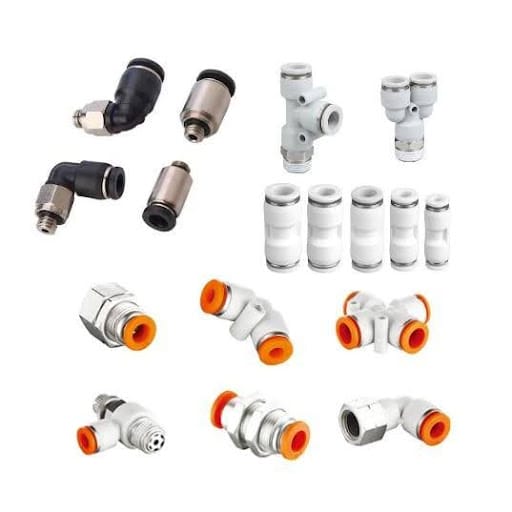
Precision pneumatic components are designed to provide controlled movement and dependable performance throughout various operational processes. Their accurate functionality helps reduce variations and supports consistent outcomes.

Key advantages include:

  • Improved motion control
  • Stable pressure regulation
  • Consistent operational performance
  • Enhanced process reliability
  • Better product quality
  • Reduced operational errors
  • Smooth equipment functionality
  • Greater production consistency

These benefits make precision components an essential part of modern industrial systems.

Supporting Accurate Equipment Performance

Reliable pneumatic components help machinery operate with greater accuracy across different applications. Their precise control capabilities ensure that systems respond effectively to changing operational requirements.

pneumatic component

Important performance benefits include:

  • Accurate positioning capabilities
  • Reliable actuator movement
  • Consistent force application
  • Controlled operating speeds
  • Reduced performance fluctuations
  • Improved synchronization between processes
  • Enhanced operational stability
  • Better workflow management

As a result, organizations can achieve higher levels of efficiency and operational confidence.

Enhancing Productivity Through Precision

Accurate pneumatic systems contribute directly to productivity improvements by minimizing disruptions and supporting continuous operation. Properly designed components allow equipment to perform tasks with greater consistency and speed.

Productivity advantages include:

  • Faster operational cycles
  • Reduced downtime occurrences
  • Improved process repeatability
  • Greater production efficiency
  • Consistent output quality
  • Enhanced equipment responsiveness
  • Better resource utilization
  • Reliable long-term performance

These factors help create an environment where productivity goals can be achieved more effectively.

Features That Improve Operational Accuracy

Modern pneumatic components incorporate advanced design characteristics that support precise and dependable operation.

Notable features include:

  • High-performance sealing systems
  • Stable airflow management
  • Accurate pressure control mechanisms
  • Durable internal construction
  • Smooth actuation performance
  • Reliable response characteristics
  • Consistent operational output
  • Enhanced component longevity

Many industry professionals also explore technical information and product solutions through resources such as https://www.hebaiele.com/ru/ when learning about advanced pneumatic technologies and precision-focused applications.

Long-Term Benefits of Precision Pneumatic Components

Investing in quality pneumatic components delivers lasting advantages that support operational excellence and continuous improvement.

Long-term benefits include:

  • Improved system dependability
  • Greater operational accuracy
  • Consistent production quality
  • Enhanced equipment lifespan
  • Reduced maintenance requirements
  • Better process control
  • Increased operational efficiency
  • Stronger overall performance

Conclusion

Enhanced operational accuracy comes through precision pneumatic components that deliver dependable control, stable performance, and consistent results. By supporting accurate movement, reliable pressure management, and efficient automation processes, these components help organizations achieve higher productivity, improved quality, and long-term operational success. Their contribution to smooth, precise, and dependable operations makes them a valuable asset for modern industrial environments focused on performance excellence.

Anchor Pull-Out Strength: Securing Retractable Aluminum Clotheslines

Aluminum Alloy Clothes DryingA clothesline snapping mid-swing, a heavy wet sheet crashing into the dirt, and your carefully planned laundry day turning into a muddy mess. That’s not just an inconvenience. That’s a failure of engineering. And the culprit is almost never the line itself. It’s the anchor. If you’ve ever installed a retractable Aluminum Alloy Clothes Drying clothesline and watched it sag, wobble, or rip clean out of the wall after a few uses, you already know the pain. The real question is: why do some systems hold firm while others give up after one windy afternoon?

The answer lives in a single metric most shoppers ignore: anchor pull-out strength.

Let’s be brutally honest. A retractable clothesline is only as good as the tiny piece of hardware holding it to your brick, concrete, or wooden frame. You can buy the sleekest aluminum casing on the market, the smoothest retraction mechanism, and the most UV-resistant cord, but if the anchor lets go, you’ve got an expensive piece of scrap metal. The industry has quietly known this for years, yet most marketing focuses on the shiny reel and forgets the silent workhorse that keeps everything upright.

Here’s what separates a premium system from a frustrating one. High-quality retractable aluminum clotheslines use expansion anchors or heavy-duty screw anchors specifically designed for the substrate they’re mounted on. Not a generic plastic wall plug. Not a flimsy nail. We’re talking about zinc-alloy or stainless steel anchors with deep threading and a conical expansion design. When you torque that screw down, the anchor expands laterally inside the wall material, creating a mechanical lock that resists both straight pull-out and rotational shear. That dual-axis resistance is critical because a clothesline doesn’t just pull straight down. It sways. It jerks. It whips in the wind. A weak anchor fails under that chaotic load.

Think about the physics for a second. A full load of wet jeans and towels can easily weigh fifteen to twenty pounds. When that load swings, the instantaneous force at the anchor point can spike to over fifty pounds. Now multiply that by hundreds of cycles over a year. A cheap anchor will slowly fatigue. The hole widens. The plastic crumbles. One day, you hear a crack, and your line is lying on the ground. A properly engineered anchor, on the other hand, actually gets tighter over time as the expansion mechanism beds into the material. That’s the difference between a product you install once and forget, and one you curse at every weekend.

But here’s the kicker that most retailers won’t tell you. Anchor pull-out strength isn’t just about the anchor itself. It’s about the matching between the anchor and the clothesline’s tension system. Some retractable aluminum lines use a spring-loaded retraction that creates constant tension on the cord. That tension, while convenient, also applies a continuous static load to the anchor. If the anchor is rated for dynamic impact but not sustained static pull, it will eventually creep out of the hole. The best systems on the market now use a dual-stage tension mechanism: a high initial tension for retraction, but a lower sustained tension once the line is locked in place. This dramatically reduces the long-term stress on the anchor without sacrificing usability.

Let’s talk installation reality. You can have the world’s strongest anchor, but if you drill a hole that’s two millimeters too wide, you’ve already lost. That’s why the smartest manufacturers now include a drill bit guide and a depth stop collar right in the packaging. They know that even experienced DIYers eyeball the depth. A depth stop ensures the hole is exactly as deep as the anchor’s expansion zone. Too shallow, and the anchor won’t expand fully. Too deep, and the anchor sits loose in a cavity. Precision here isn’t a luxury. It’s the difference between a clothesline that holds for a decade and one that fails in a month.

Now, if you’re mounting on brick or concrete, you need a different animal entirely. Standard plastic anchors will strip out the moment you load them. You want a wedge anchor or a sleeve anchor made of hardened steel. These bite into the masonry with a ferocity that plastic can’t match. And for aluminum siding? You need a toggle bolt or a molly bolt with a wide flange that distributes the load across the thin metal. One size does not fit all. A truly premium retractable clothesline system doesn’t just sell you the line. It sells you the right anchor kit for your specific wall type. That’s the mark of a company that understands the real-world pain points.

Let’s cut through the noise. When you see a retractable aluminum clothesline advertised with phrases like “heavy-duty” or “industrial strength,” ask one question: what is the rated pull-out strength of the included anchors? If they can’t give you a number in pounds or kilonewtons, they’re hiding something. A legitimate product will have test data. They’ll tell you it holds 120 pounds in solid concrete or 80 pounds in brick. They’ll specify the torque required for installation. That’s transparency. That’s confidence.

The bottom line is simple. You don’t buy a clothesline. You buy a system. And the anchor is the foundation of that system. Ignore it at your own risk. Choose a retractable aluminum clothesline that treats anchor pull-out strength as a headline feature, not a footnote. Your laundry, your wall, and your sanity will thank you.

Stylish Yacht Rental Ideas for Coastal Travelers

Luxury yacht experiences create a refreshing way to enjoy scenic waters, gentle sea breezes, and memorable travel moments. A stylish yacht journey combines comfort, elegance, and relaxation while offering travelers a peaceful escape from busy routines. From private celebrations to calm sunset cruises, yacht rental ideas can transform any coastal vacation into an unforgettable adventure.

Choose Elegant Lounge Spaces

Comfortable lounge areas help travelers enjoy long hours on the water with ease and style. Modern yacht interiors often include soft seating, open decks, and relaxing dining spaces that create a welcoming atmosphere.

Popular lounge features include:

  • Spacious seating with ocean views
  • Comfortable shaded relaxation zones
  • Stylish dining arrangements
  • Soft lighting for evening gatherings
  • Open-air decks for fresh sea breezes

These elegant spaces encourage meaningful conversations, peaceful relaxation, and enjoyable entertainment throughout the journey.

Plan Sunset Dining Experiences

Premium Yacht

A sunset meal aboard a yacht adds charm and beauty to any trip. Travelers can enjoy delicious dishes while admiring glowing skies and calm waves. Soft music, decorative table settings, and fresh ocean air create a truly sophisticated environment.

Ideas for memorable dining moments:

  • Candlelit evening dinners
  • Fresh seafood-inspired menus
  • Light refreshments during sunset cruises
  • Romantic private meals for couples
  • Family-style dining celebrations

Carefully planned dining experiences bring warmth and joy to every yacht adventure.

Add Water Activities for Fun

Stylish yacht travel becomes even more exciting when paired with relaxing water activities. Gentle ocean experiences create entertainment for travelers of all ages while maintaining a peaceful atmosphere.

Enjoyable activity ideas:

  • Swimming in calm waters
  • Paddle boarding near scenic shorelines
  • Snorkeling in clear blue areas
  • Floating relaxation platforms
  • Casual fishing sessions

These simple activities add excitement while hire yacht allowing travelers to fully appreciate the beauty of the sea.

Create Relaxing Wellness Moments

Many travelers enjoy combining yacht trips with wellness-focused experiences. Calm surroundings and Fresh Ocean air naturally support relaxation and stress relief.

Wellness-inspired yacht ideas:

  • Morning yoga sessions on deck
  • Quiet meditation during sunrise
  • Refreshing fruit and juice selections
  • Gentle evening music experiences
  • Comfortable sunbathing spaces

These peaceful touches create a balanced and refreshing journey for guests seeking comfort and calmness.

Organize Stylish Celebration Gatherings

Yachts also provide beautiful settings for elegant social events. Whether planning a birthday gathering, anniversary dinner, or small reunion, stylish decorations and ocean views enhance every celebration.

Decorative ideas for gatherings:

  • Floral-inspired table settings
  • Elegant outdoor seating arrangements
  • Soft evening lantern lighting
  • Coordinated color themes
  • Relaxed entertainment spaces

The combination of luxury surroundings and ocean scenery creates a memorable atmosphere for special occasions.

Select Comfortable Overnight Options

Extended yacht journeys allow travelers to enjoy peaceful overnight experiences surrounded by gentle waves and fresh air. Comfortable sleeping areas and quiet nighttime views create a relaxing travel experience.

Helpful overnight features:

  • Cozy private cabins
  • Soft bedding arrangements
  • Calm nighttime lighting
  • Quiet relaxation zones
  • Spacious morning breakfast areas

These thoughtful details help travelers feel refreshed and energized throughout the trip.

Stylish yacht rental ideas offer travelers a wonderful combination of elegance, relaxation, and adventure. Beautiful lounge spaces, sunset dining, calming wellness activities, and enjoyable celebrations all contribute to a memorable ocean escape. With thoughtful planning and comfortable surroundings, a yacht journey can deliver peaceful moments, exciting experiences, and lasting travel memories for every guest.