

A well-organized battle belt IFAK can make emergency response quicker, smoother, and more effective during critical situations. Fast access to medical supplies helps reduce delays and supports confident decision-making under pressure. Choosing the right setup involves balancing comfort, accessibility, durability, and smart storage design.
Why Fast Access Matters
Quick access to medical tools improves response time when every second counts. A properly positioned IFAK allows immediate reach without unnecessary movement or confusion.
Benefits of rapid-access setups include:
- Faster response during emergencies
- Improved mobility while carrying gear
- Better organization of medical supplies
- Reduced stress during high-pressure situations
- Easier one-handed access when needed
- Increased confidence during training or field use
An efficient layout helps users locate essential items instantly, even in low-visibility conditions.
Important Features to Look For
Compact yet Spacious Design
A good battle belt IFAK should remain compact while still holding essential medical equipment. Bulky pouches may interfere with movement, belt ifak while overly small options can limit storage.
Useful features include:
- Expandable compartments
- Elastic retention loops
- Internal organizers
- Slim profile construction
- Lightweight materials
Balanced sizing improves comfort and allows smoother movement during active use.
Quick-Pull Access Systems
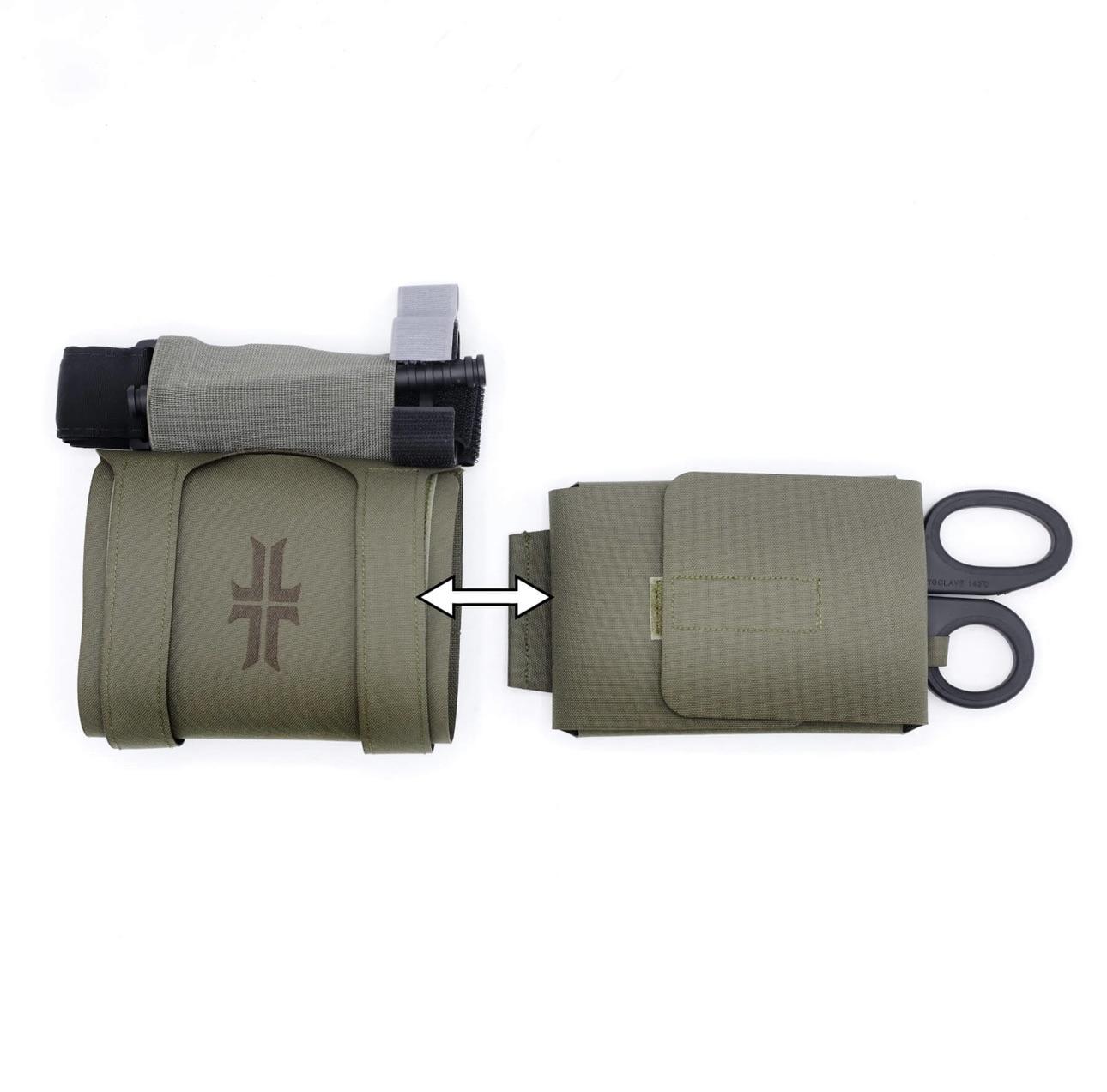
Rapid deployment is one of the most valuable features in an emergency setup. Pull-away or tear-away pouch systems allow users to remove medical kits quickly without removing the entire belt.
Helpful access options include:
- Pull tabs for rapid opening
- Ambidextrous zipper placement
- Side-access compartments
- Hook-and-loop attachment systems
- Smooth opening designs
These features help users retrieve medical supplies quickly during urgent moments.
Best Placement Options for Accessibility
Correct positioning plays a major role in emergency efficiency. The ideal location depends on comfort, dominant hand use, and overall gear arrangement.
Popular placement areas include:
Rear Center Placement
- Keeps the front area uncluttered
- Supports balanced weight distribution
- Works well with compact pouches
Side Placement
- Provides faster reach capability
- Allows easier seated access
- Improves visibility of the pouch location
Angled Mounting Positions
- Enhances hand access speed
- Reduces interference with movement
- Supports natural hand motion
Testing different positions during training helps determine the most comfortable and efficient setup.
Recommended Medical Storage Essentials
An effective battle belt IFAK focuses on essential emergency supplies without overloading the user.
Important items often include:
- Tourniquets
- Compression bandages
- Gauze rolls
- Protective gloves
- Trauma shears
- Chest seals
- Medical tape
- Marker tools for documentation
Keeping supplies neatly organized improves speed and prevents unnecessary searching during emergencies.
Comfort and Durability Advantages
Reliable battle belt IFAK setups should remain comfortable during extended wear. Durable materials and secure attachment systems improve long-term performance and confidence.
Helpful comfort features include:
- Adjustable mounting systems
- Breathable backing materials
- Reinforced stitching
- Water-resistant fabrics
- Secure retention straps
A stable and lightweight configuration reduces fatigue while maintaining quick access to emergency tools.
The best battle belt IFAK options combine fast accessibility, practical organization, and dependable comfort. Efficient layouts help users respond confidently while keeping essential medical tools within immediate reach. Compact storage, rapid-access systems, and smart placement all contribute to a more effective emergency setup. With the right balance of mobility and preparedness, a well-designed IFAK becomes an important part of reliable tactical readiness.